After a very beautiful and pleasant tour of the Royal Domain of Drottningholm, I returned by boat to the centre of Stockholm. Although it was still daytime, the light had now changed, both because of the clouds and because it was already a bit later in the afternoon.
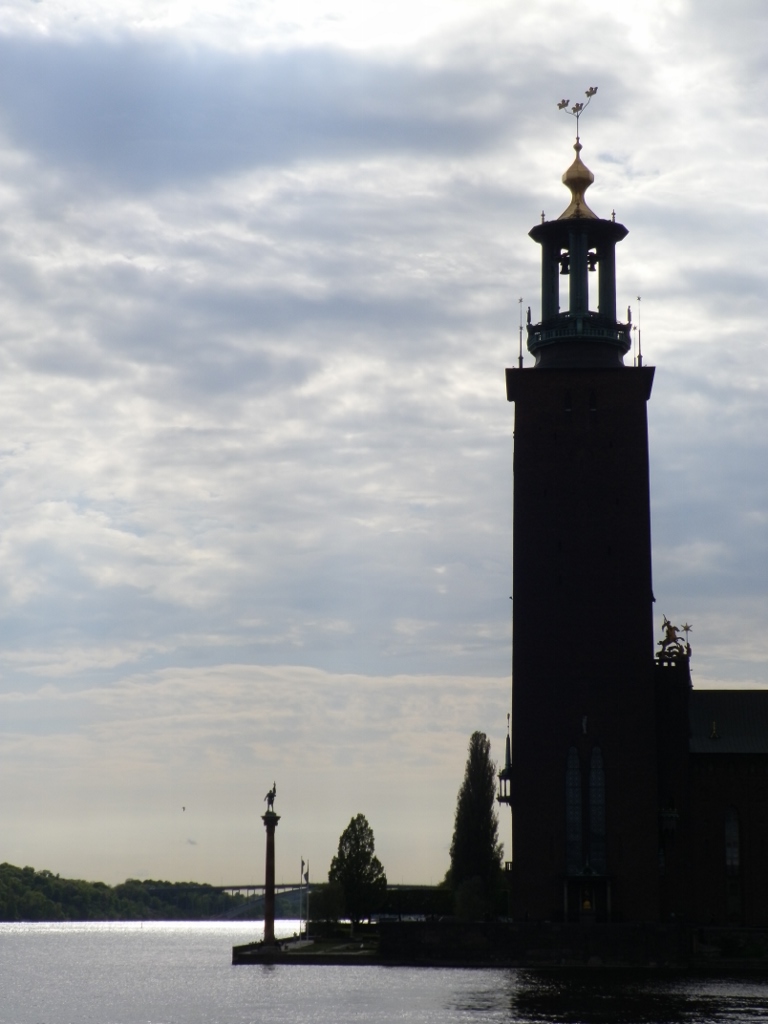 Stockholm, a detail
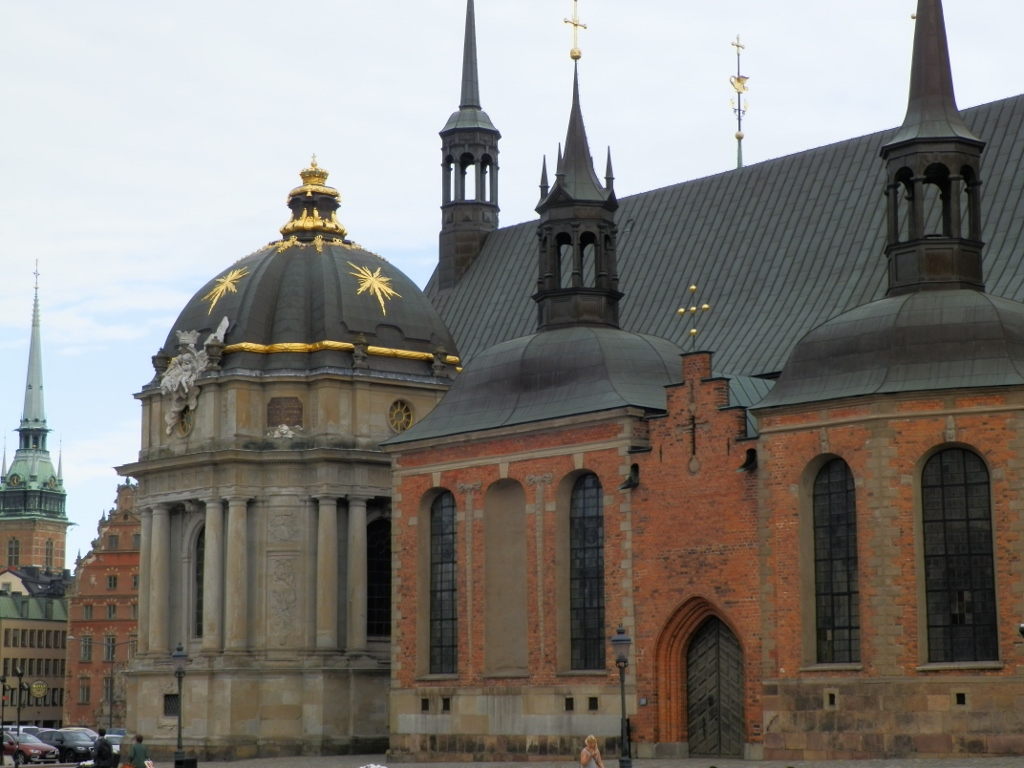
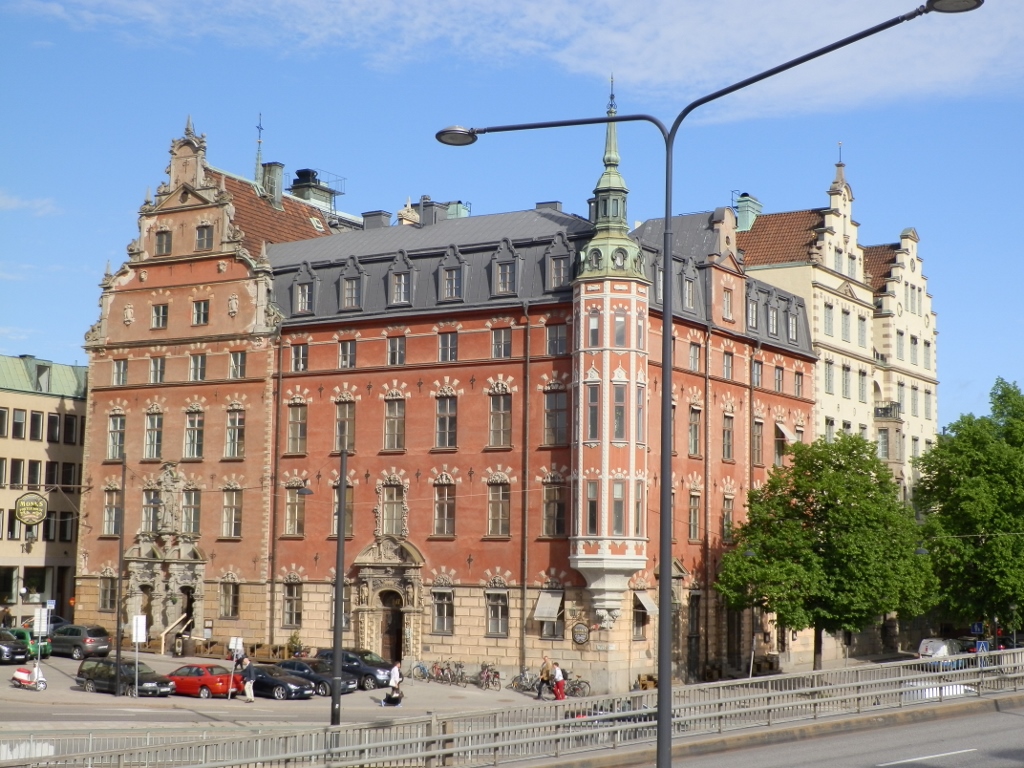
I first headed towards the small island of Riddarholmen, which means the Island of Knights, and there I first noticed a building with an interesting roof above a corner tower.
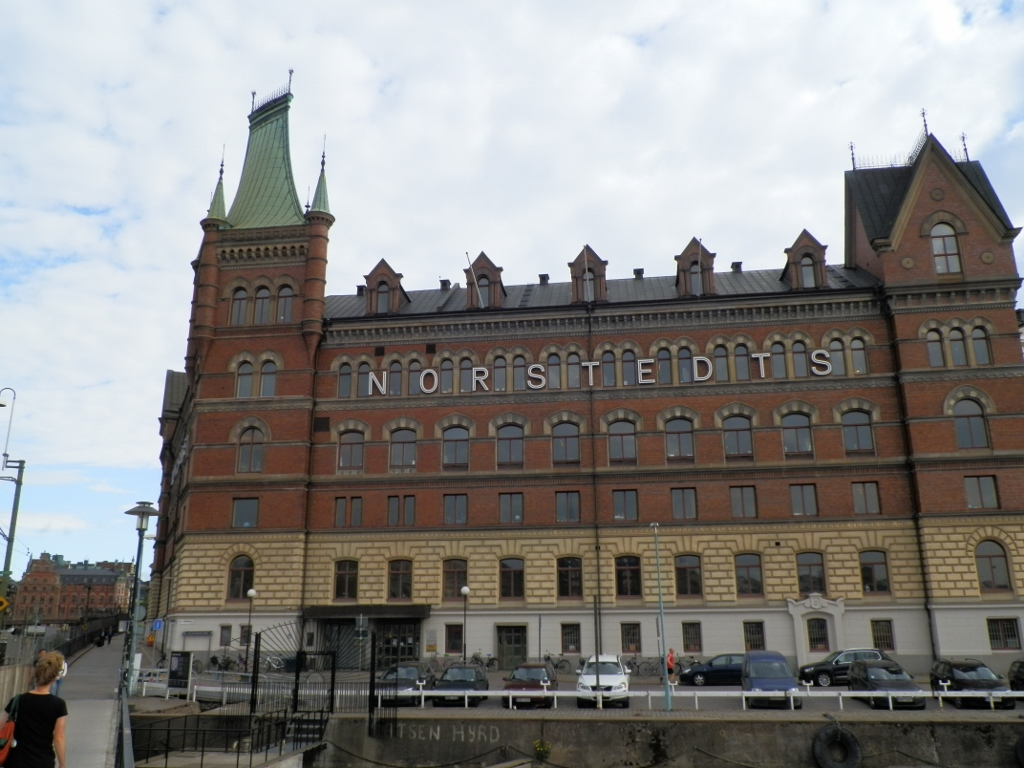 Stockholm, a detail
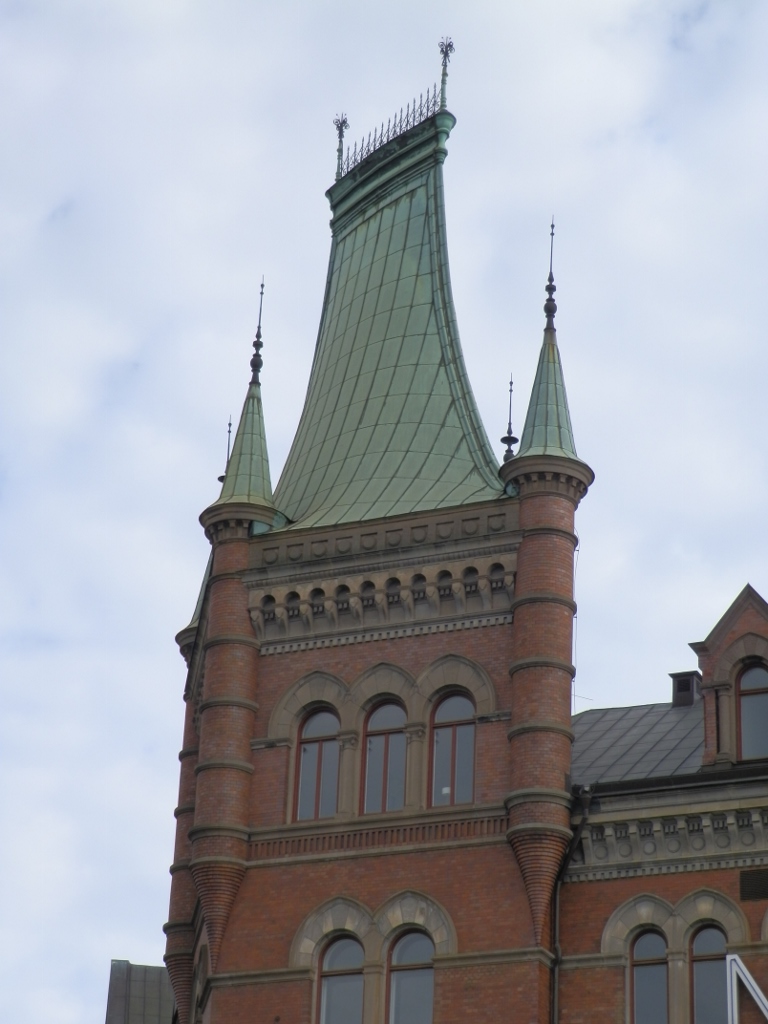 Stockholm, a detail
By the way, Riddarholmen is a small historic island in the very centre of Stockholm, right next to Gamla Stan, that is, the Old Town. It is best known for Riddarholmen Church, where almost all Swedish monarchs since the 17th century are buried.
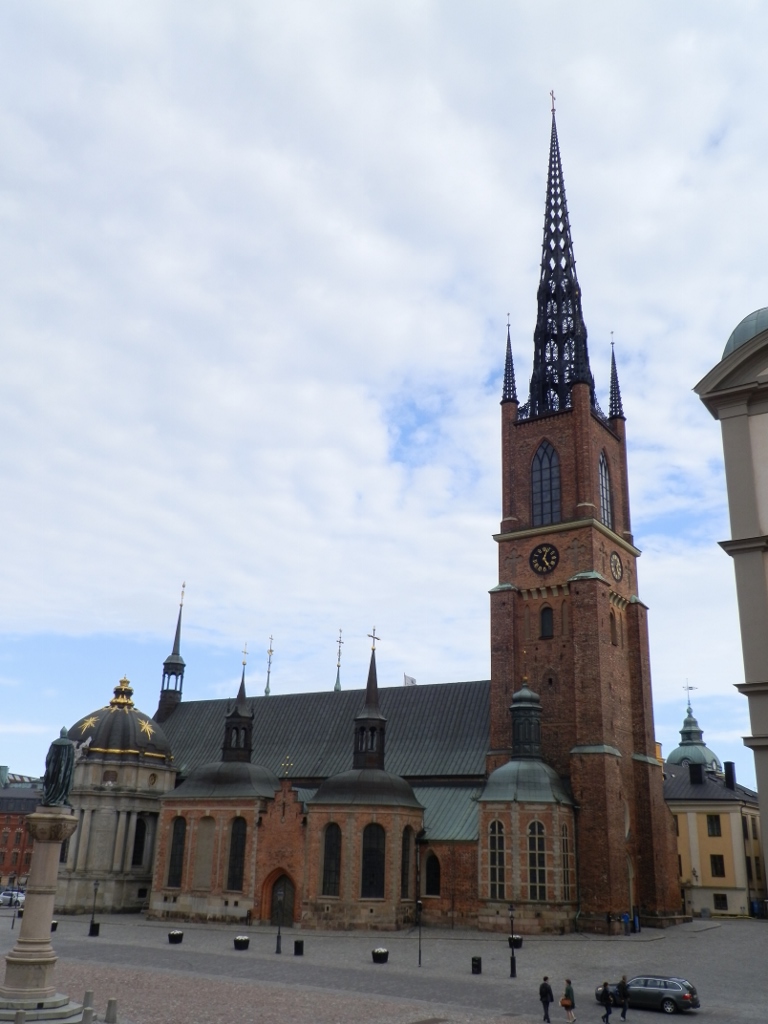 Stockholm, a detail
 Stockholm, a detail
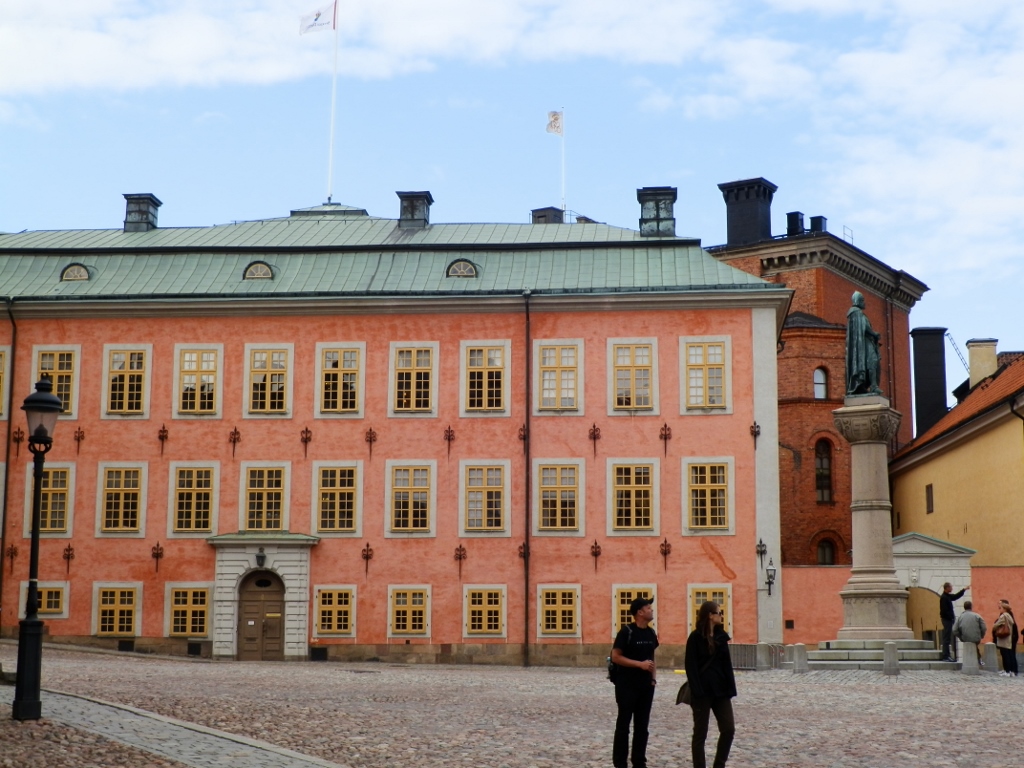
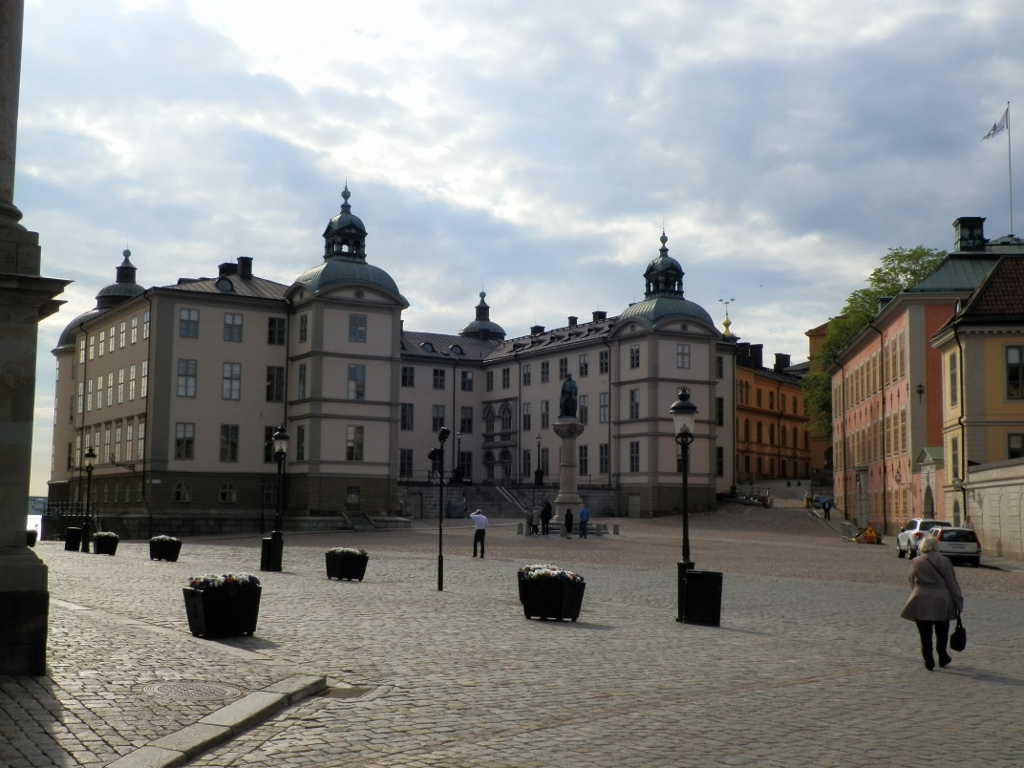
In addition, the island is quieter and more formal than the neighbouring parts of the city, with numerous old palaces and government buildings.
 Stockholm, a detail
 Stockholm, a detail
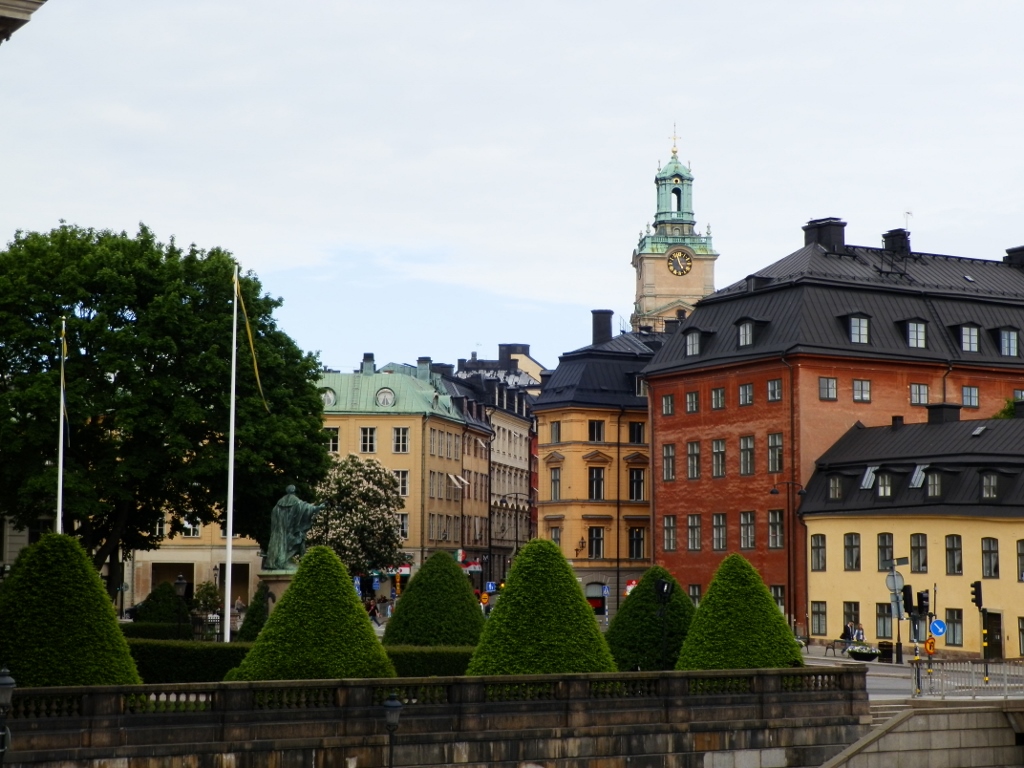
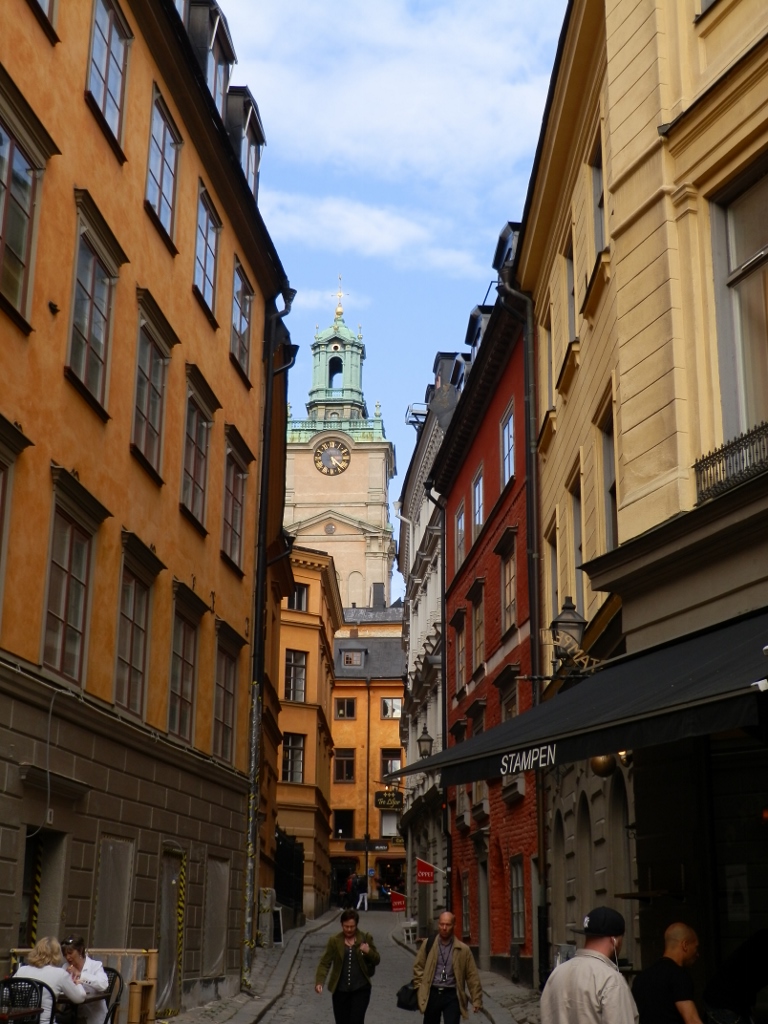
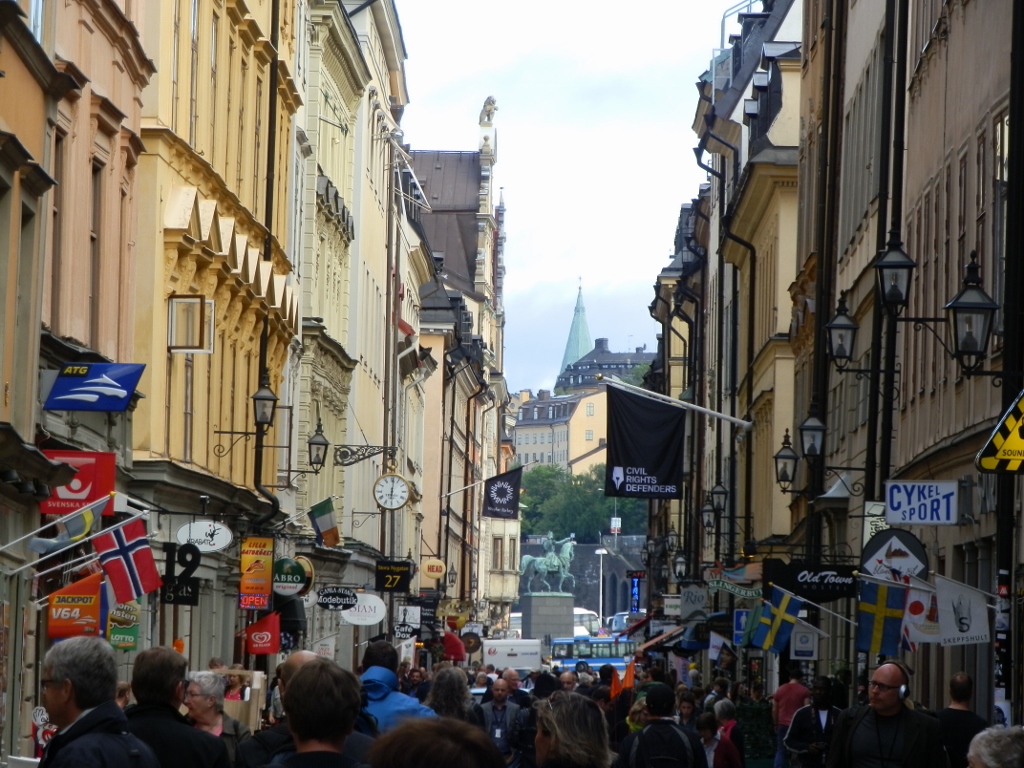
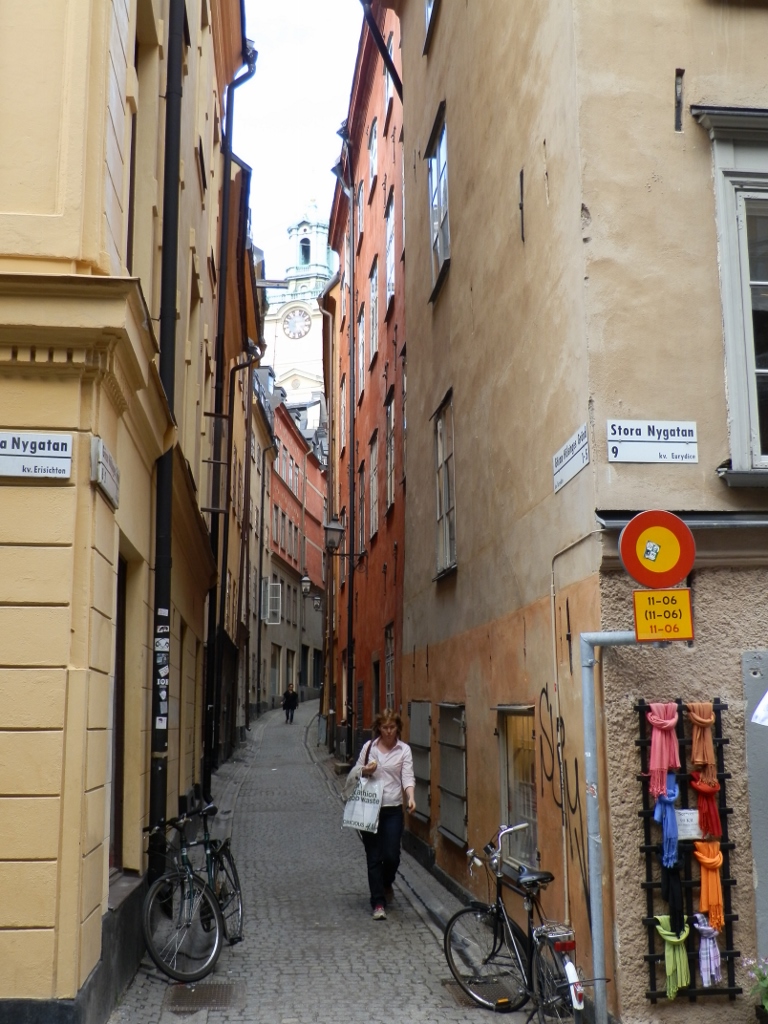
Still, I did not linger here for long, but instead headed back towards Gamla Stan, where I strolled along various streets and alleyways of the Old Town.
 Stockholm, a detail
 Stockholm, a detail
 Stockholm, a detail
 Stockholm, a detail
 Stockholm, a detail
In this way, I also reached the eastern shore of the island of Stadsholmen, on which Gamla Stan is located. In the meantime, the sky had cleared again, the sun was already setting, the air was clear, so everything was gleaming.
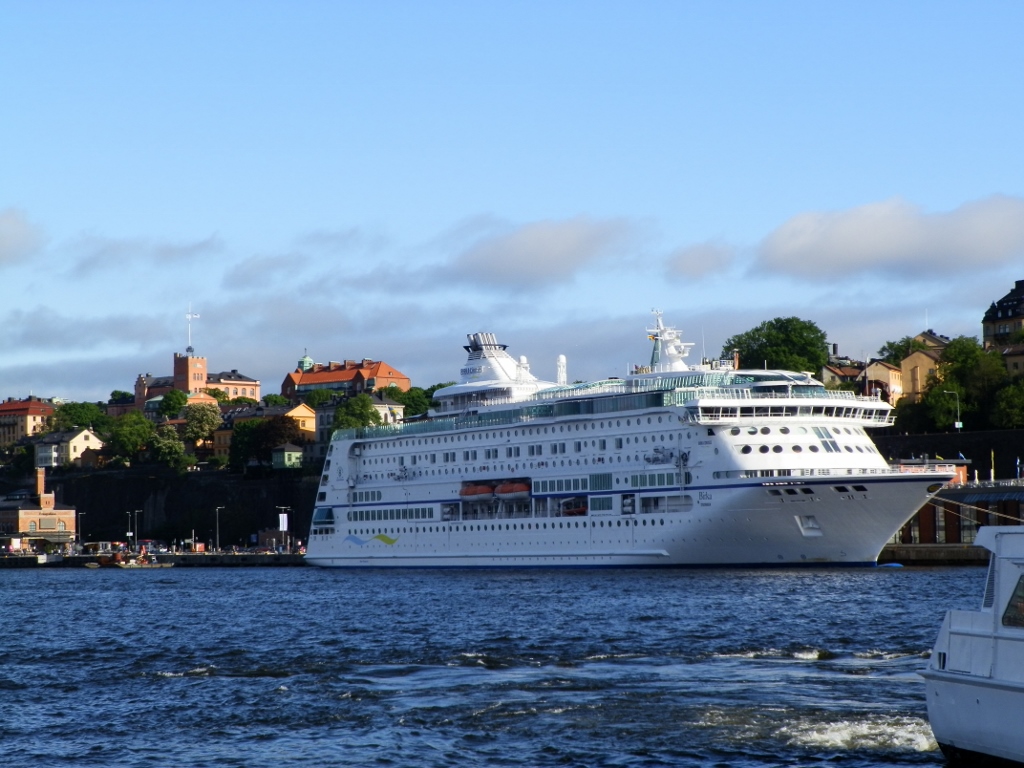 Stockholm, a detail
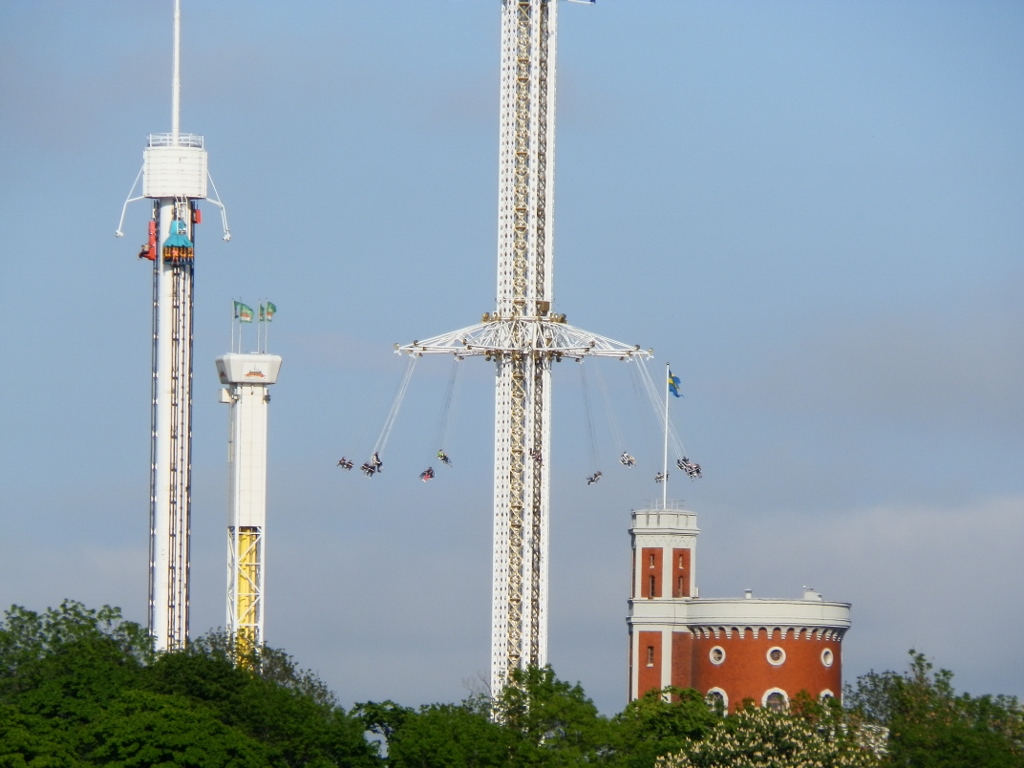
From the shore I could also see scenes on some of the nearby islands. As I have already said, Stockholm stretches across fourteen islands connected by numerous bridges. My gaze first fell on parts of two islands that lay along the same line of sight. In the foreground, with a fortress, was the island of Kastellholmen, while in the background was the island of Djurgården with its amusement park.
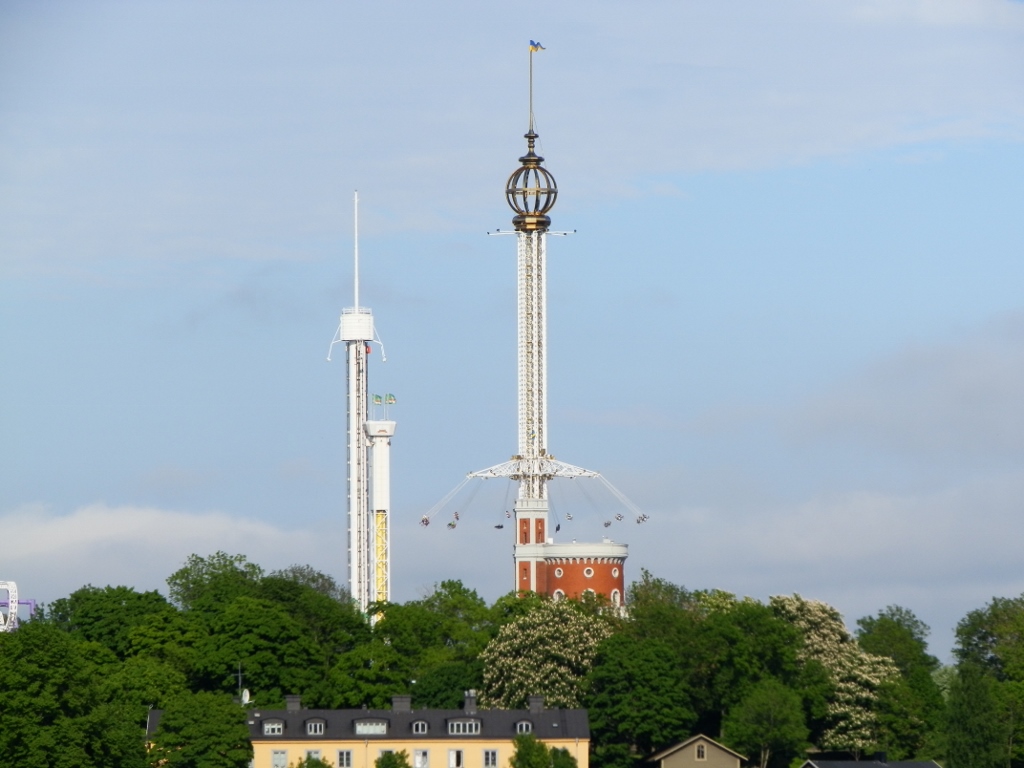 Stockholm, a detail
By the way, Kastellholmen is a small island in the central part of the city, known for the fortress Kastellet, from which the flag is raised or lowered every day. The island is connected by a bridge to the neighbouring island of Skeppsholmen and is a popular place for walks and views of the harbour. However, during my short stay in Stockholm and Sweden, I did not have time to go there.
On the other hand, the following day I went to the much larger island of Djurgården. It is one of the most famous islands in Stockholm, primarily because of its museums, parks and entertainment attractions. The island is a favourite place for walking, cycling and recreation, with plenty of green spaces and waterfront paths.
 Stockholm, a detail
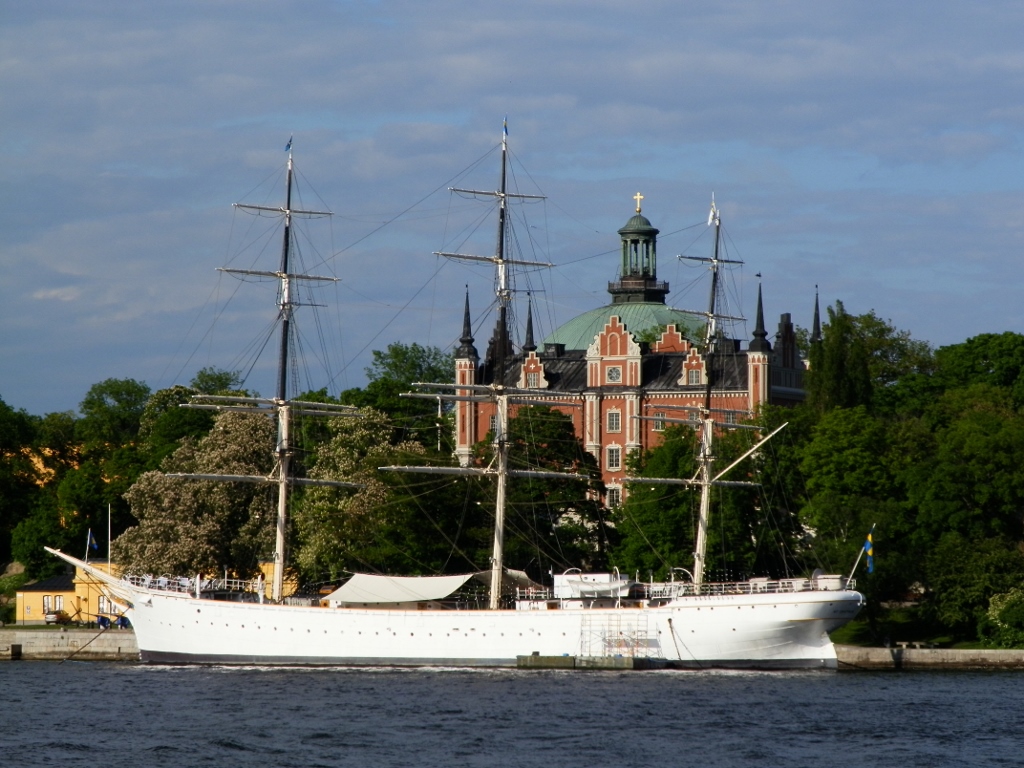
Here I also took a selfie and photographed part of the island of Skeppsholmen and then I practically headed towards the railway station, although by a somewhat roundabout route.
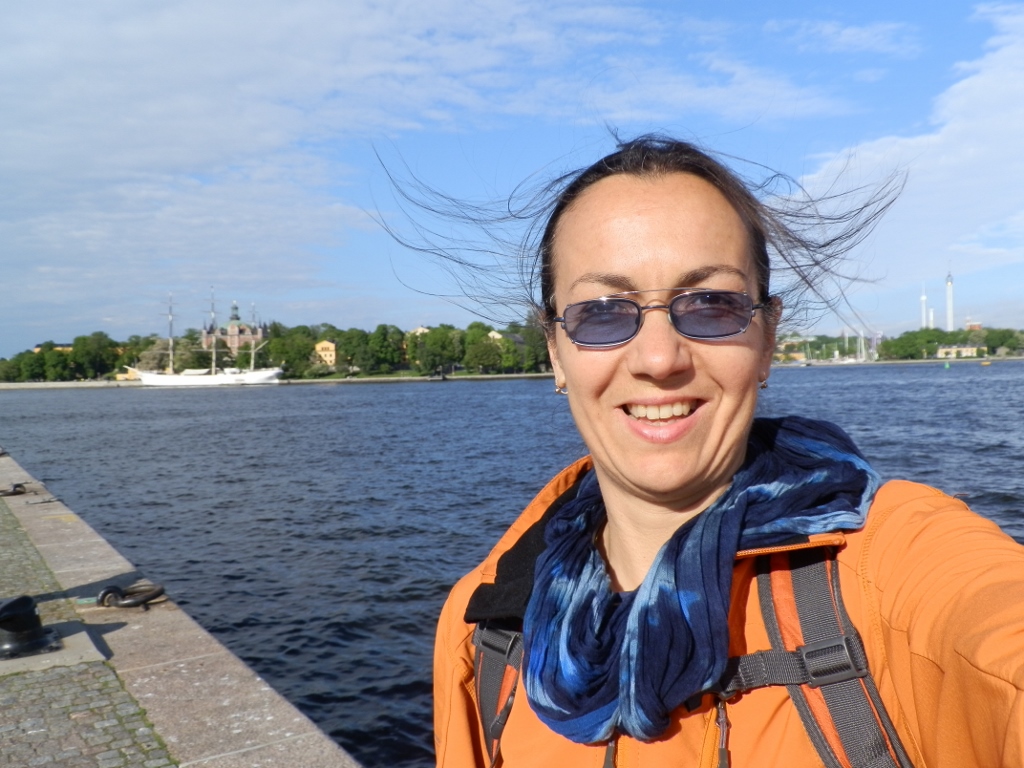 Selfie in Stockholm
 Stockholm, a detail
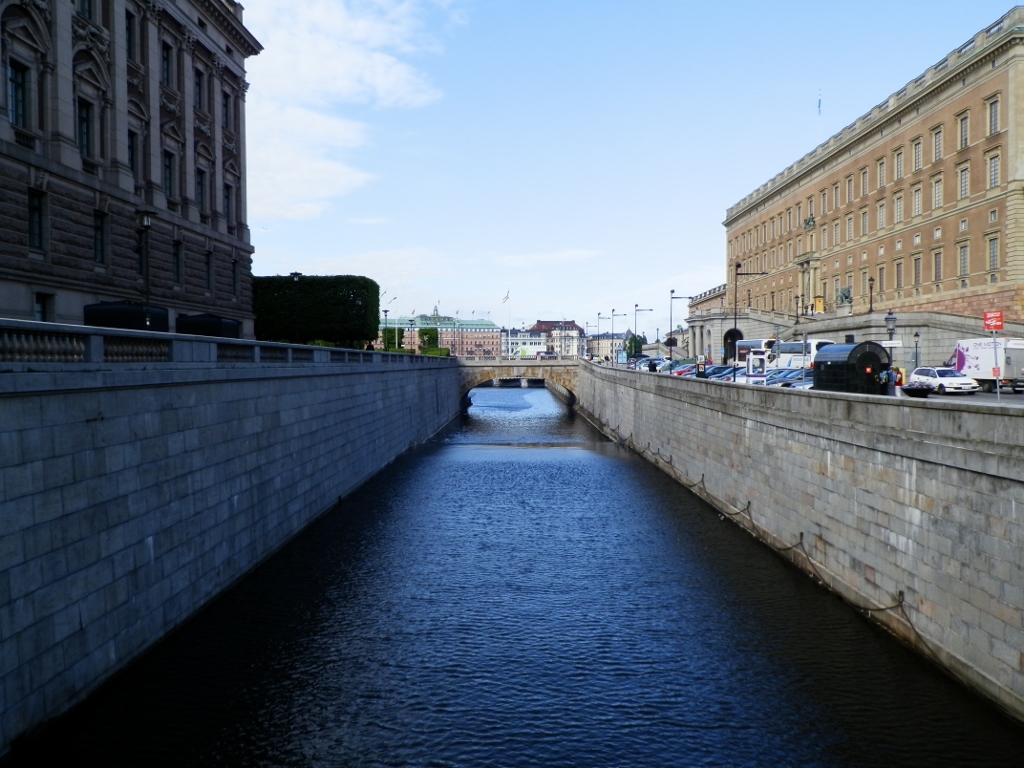
Thus, I crossed the bridge from Gamla Stan, where the Royal Palace or Kungliga Slottet (in the next photo on the right) is located, to the island that houses the complex of the Swedish Parliament House (in the next photo on the left).
 Stockholm, a detail
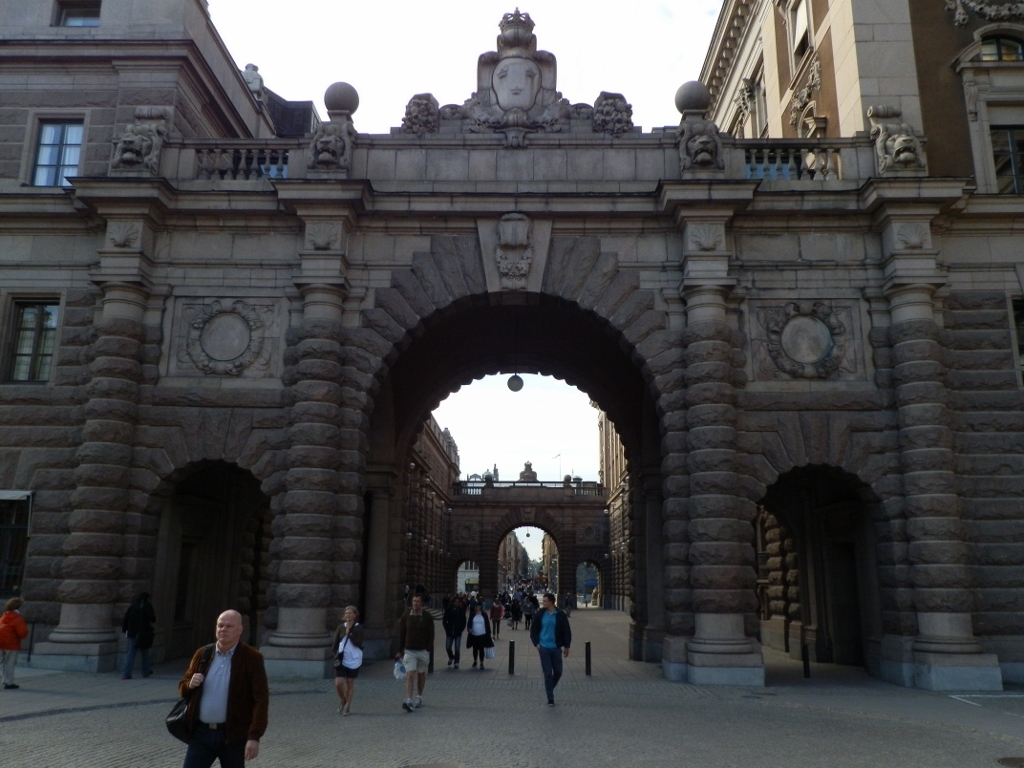
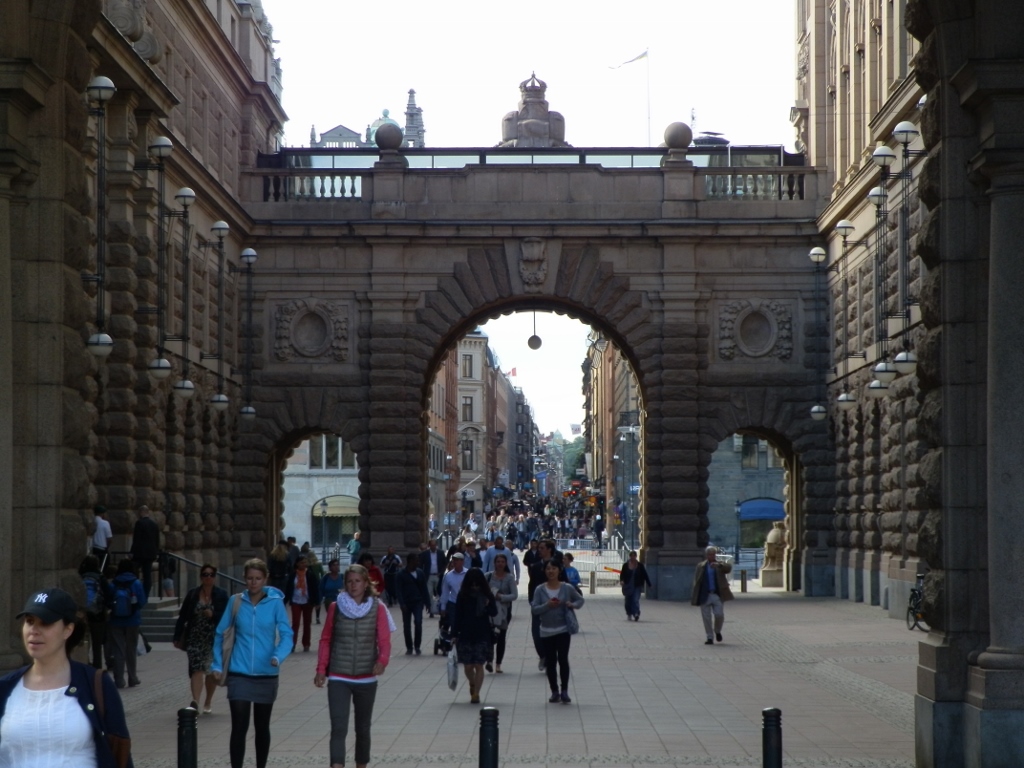
I also photographed the impressive passage between the sections of the parliament and then I turned around to capture the northern parts of this complex.
 Stockholm, a detail
 Stockholm, a detail
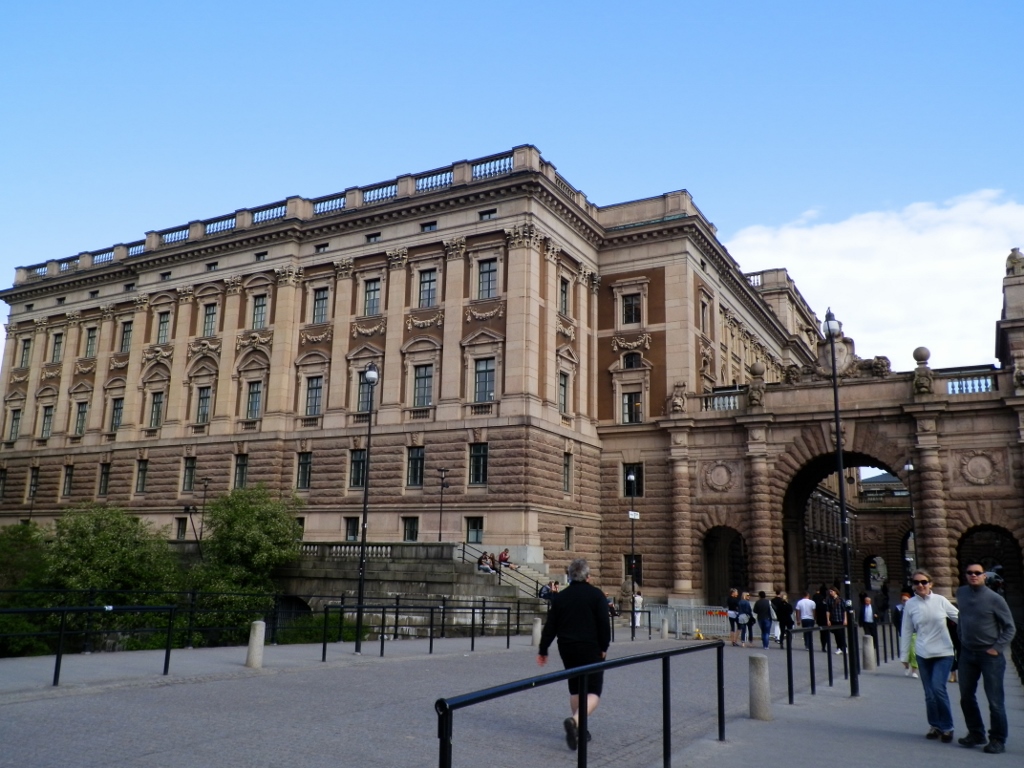 Stockholm, a detail
There I could also see the Royal Opera House.
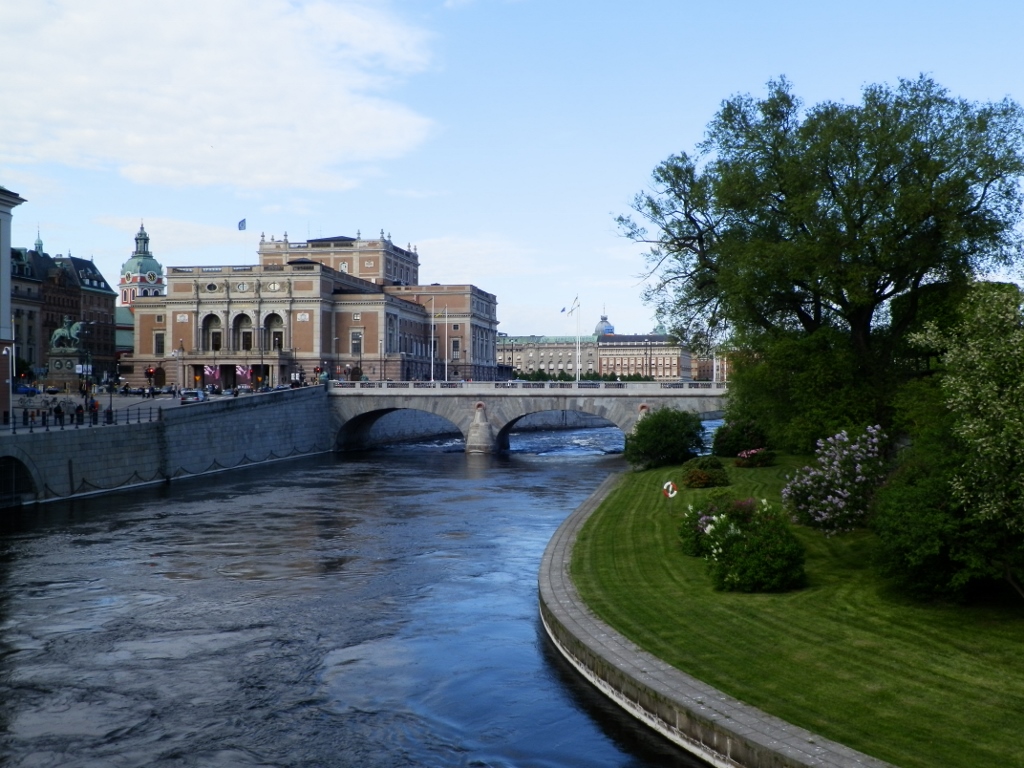 Stockholm, a detail
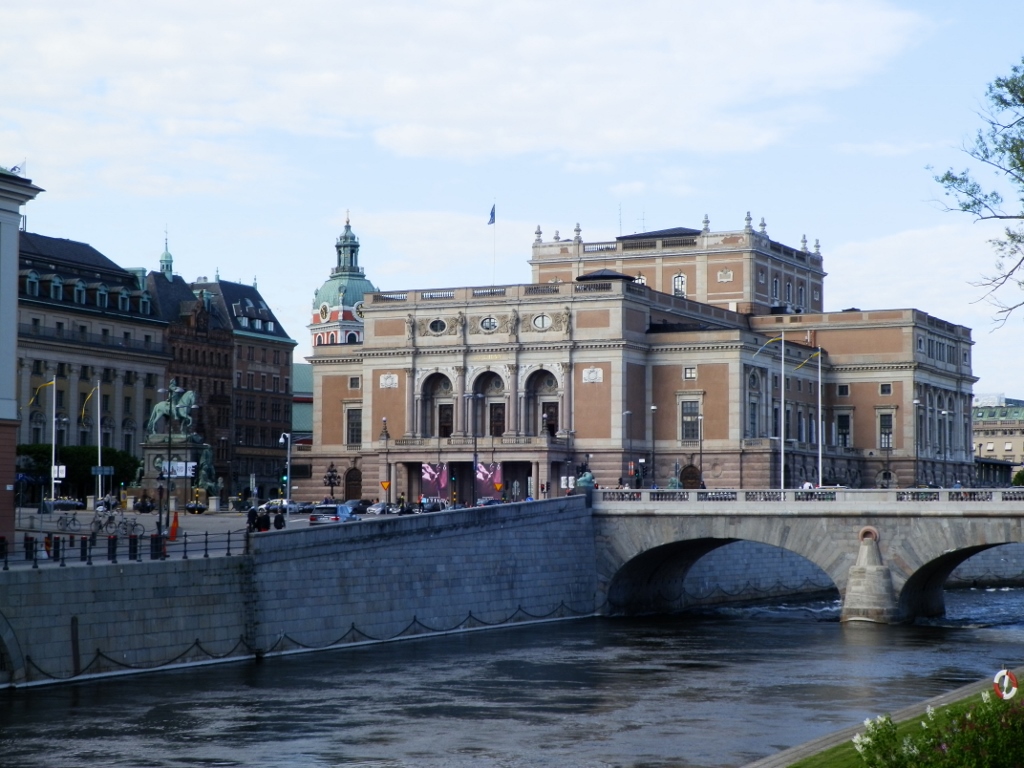 Stockholm, a detail
Here I moved into the “newer” part of the city and then I finally headed towards the railway station. I was exhausted from fatigue, but also extremely satisfied.
That’s how I returned to Uppsala, where I again had a wonderful time with Katja and Toma, sharing lots of stories and recounting my fresh impressions.
The next morning, I left Uppsala by train for Stockholm again. It was completely overcast, but I decided to stick to the “plan” and, upon arriving in Stockholm, went to the tourist bus stop because I wanted to see the city that way. I usually don’t tour cities on those double-decker buses where passengers can get on and off wherever they want, but on this occasion I made an exception. It was still cloudy and windy, and I worried that the windcheater I had brought wouldn’t be enough if it remained cold and overcast, especially if it started to rain.
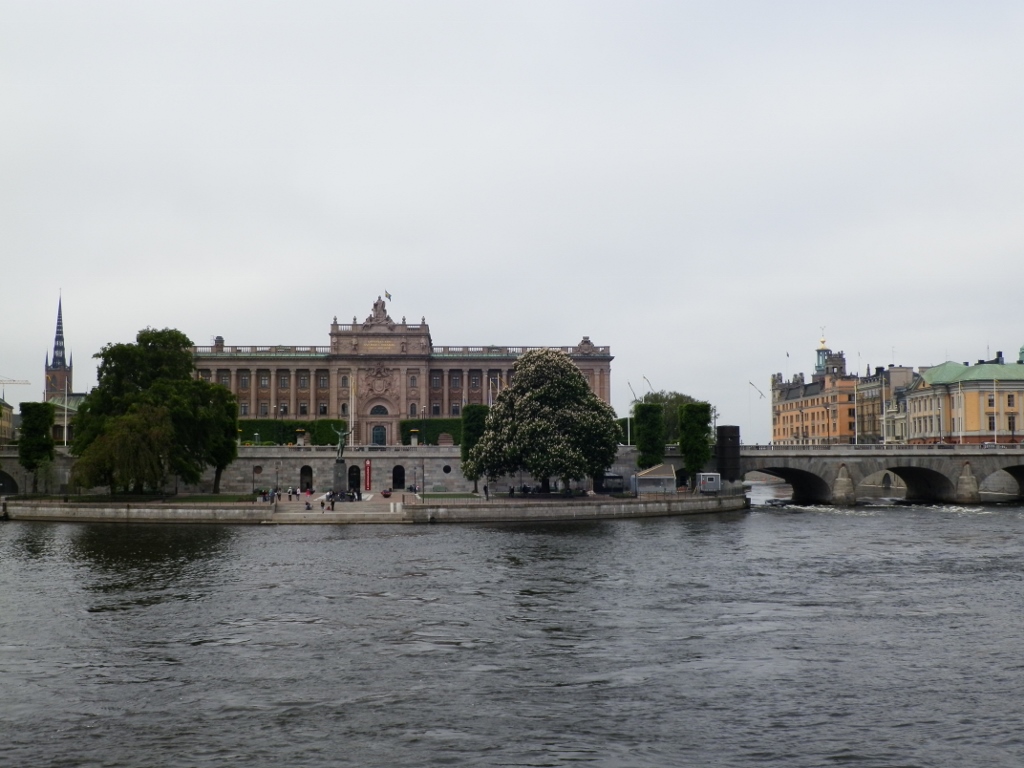
In this way, I passed once again near the Royal Palace and the Sweden Parliament House.
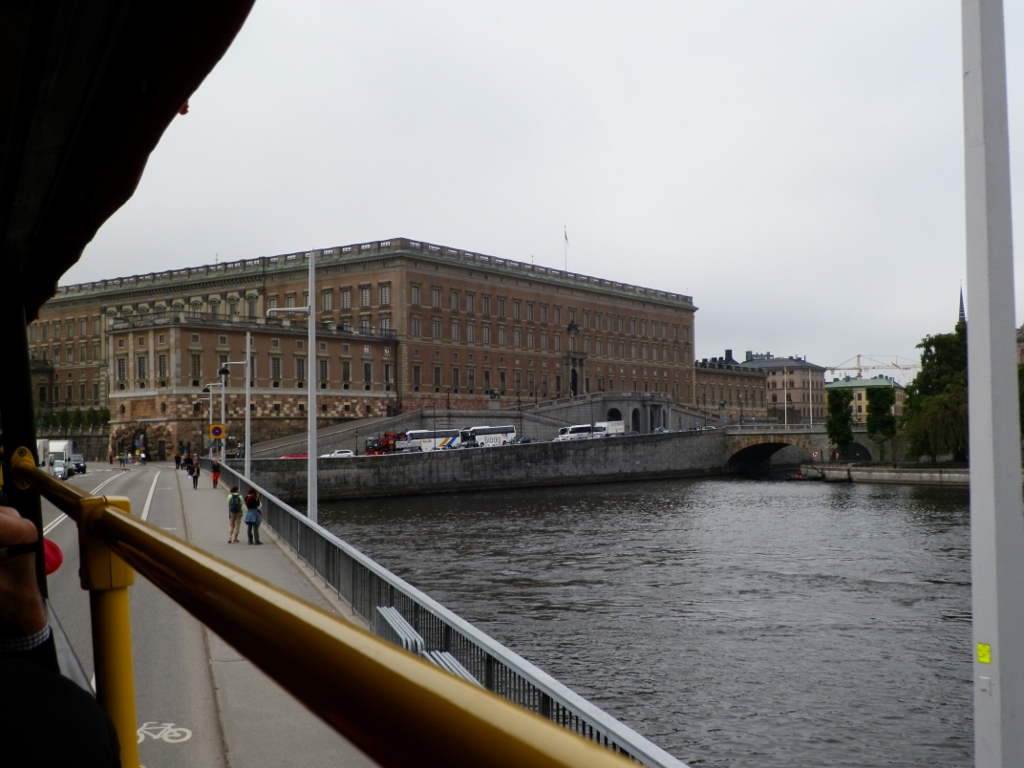 Stockholm, a detail
 Stockholm, a detail
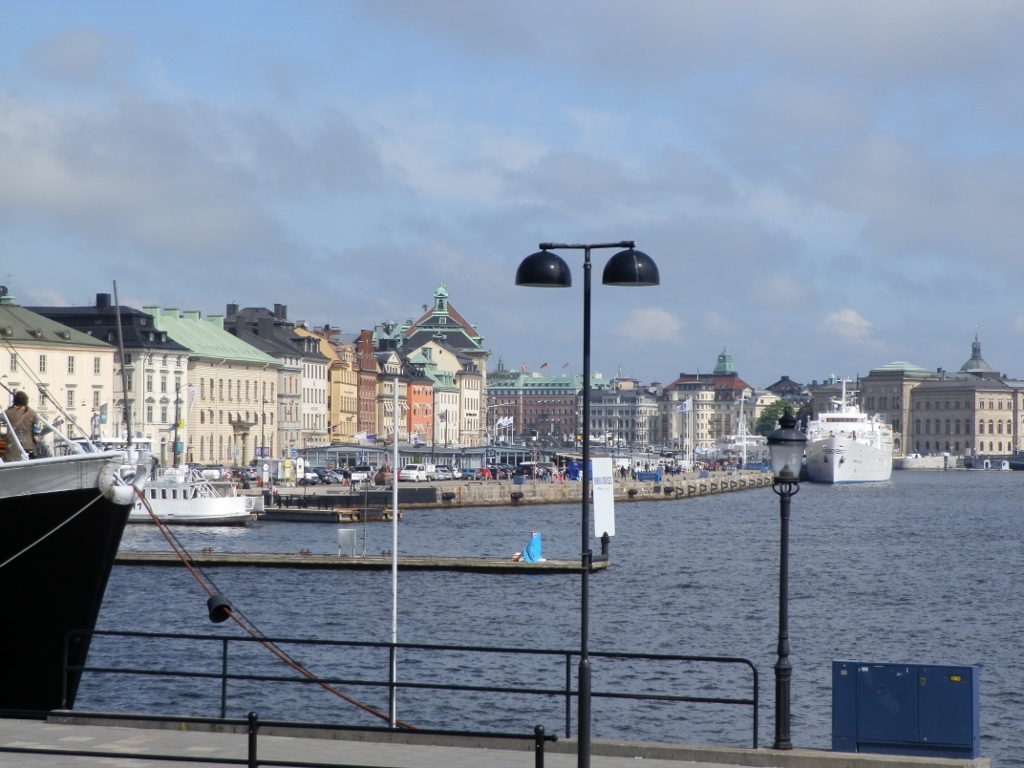
As the tour went on, changes began to appear in the sky and little by little this turned into a beautiful and radiant sunny day.
 Stockholm, a detail
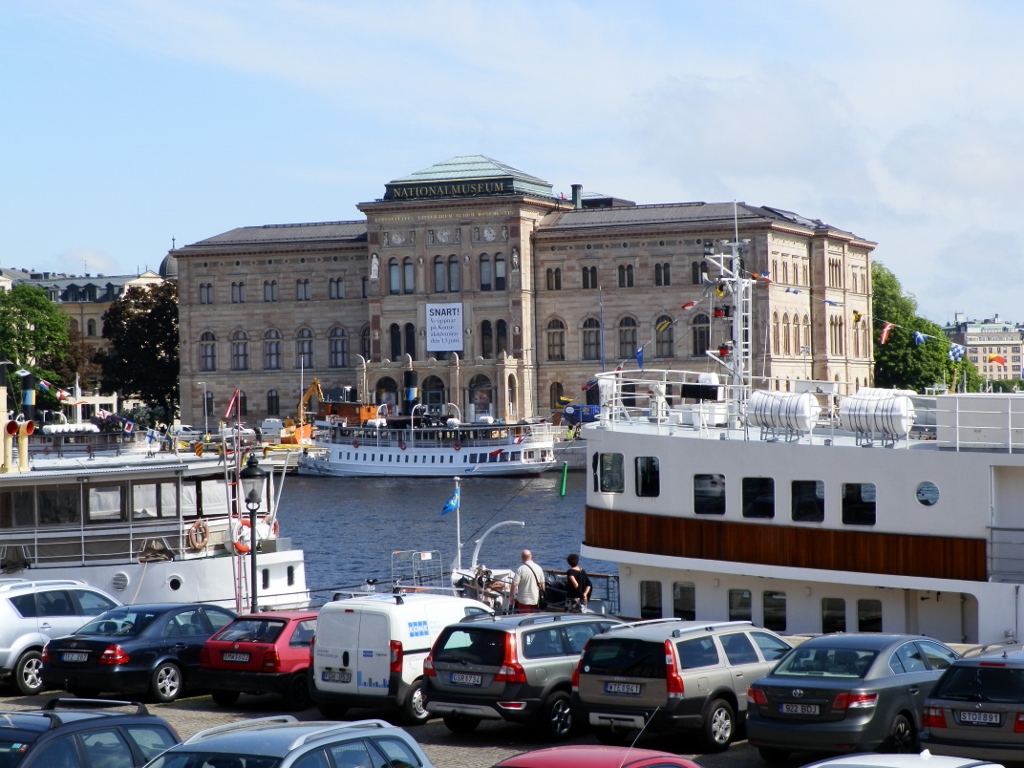
Here I was mostly tucked into my seat, enjoying the sights and taking a few photos. At one point, I spotted the National Museum building a bit farther away, so I photographed it, even though I knew I wouldn’t be going there, mostly due to lack of time. By the way, the museum houses paintings, sculptures, drawings and applied arts from the Middle Ages to the early 20th century, including works by Swedish and European masters.
 Stockholm, a detail
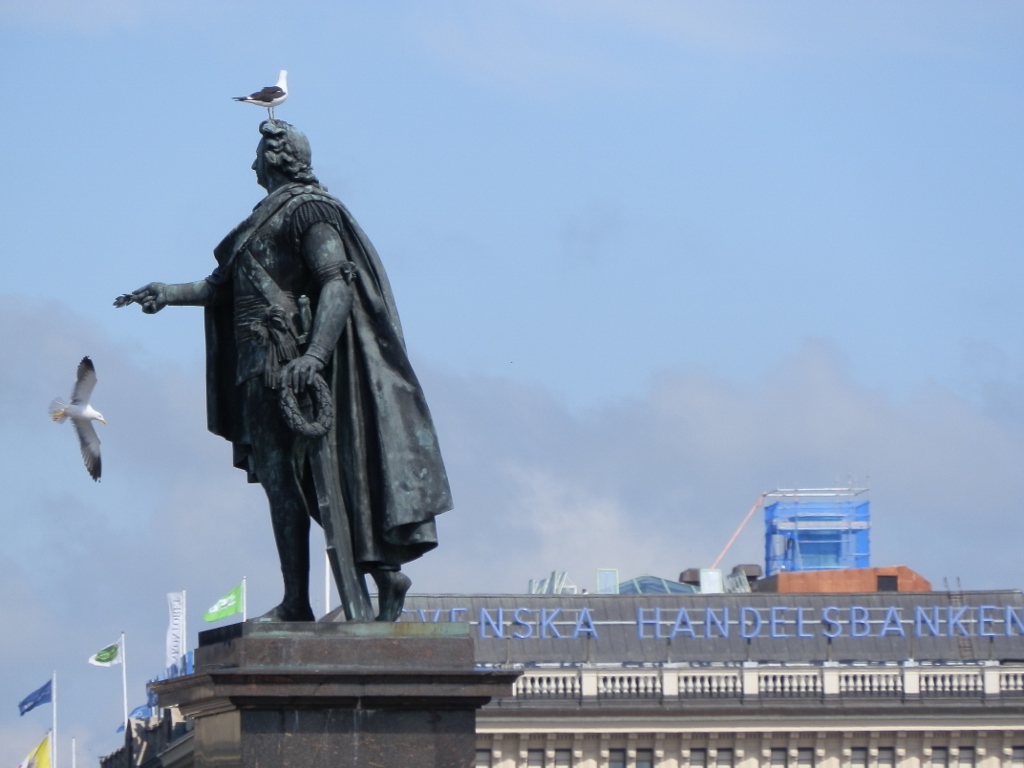
On the other hand, Stockholm has many sculptures that adorn the city as monuments, so I was still exposed to art.
 Stockholm, a detail
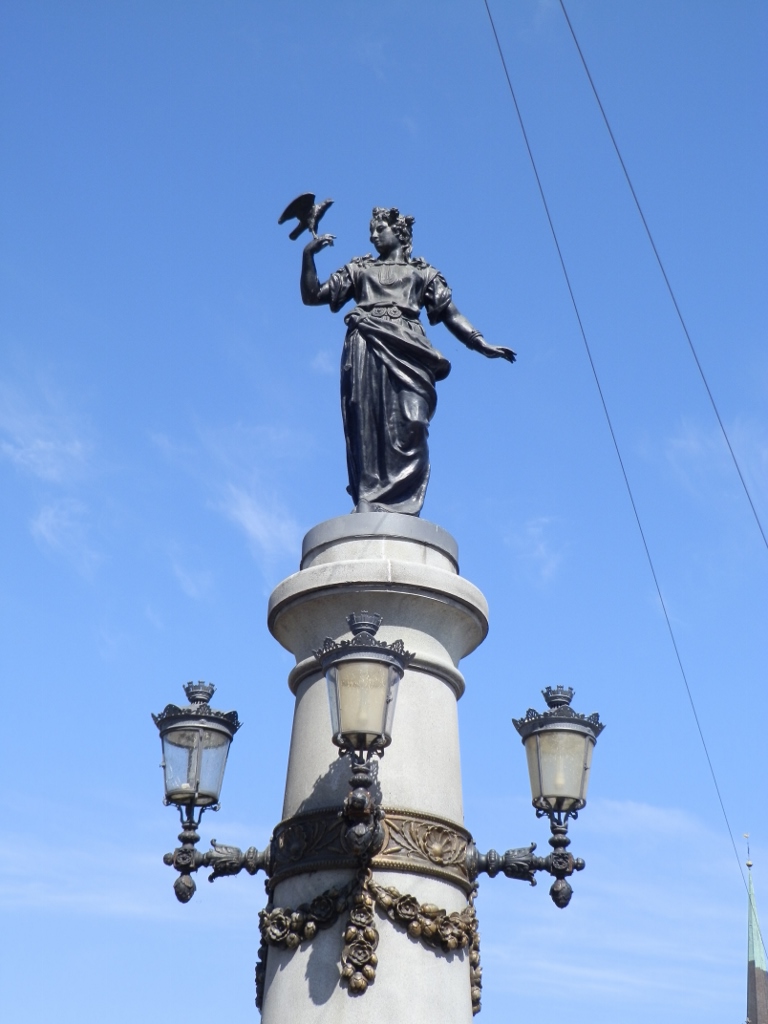 Stockholm, a detail
I passed by the Nordic Museum as well, which, on the other hand, focuses on the everyday life and culture of Sweden and the Nordic countries. The exhibitions showcase fashion, customs, interiors, traditions and ways of life from the 16th century to the present. In other words, it provides a view of how people lived and how society developed.
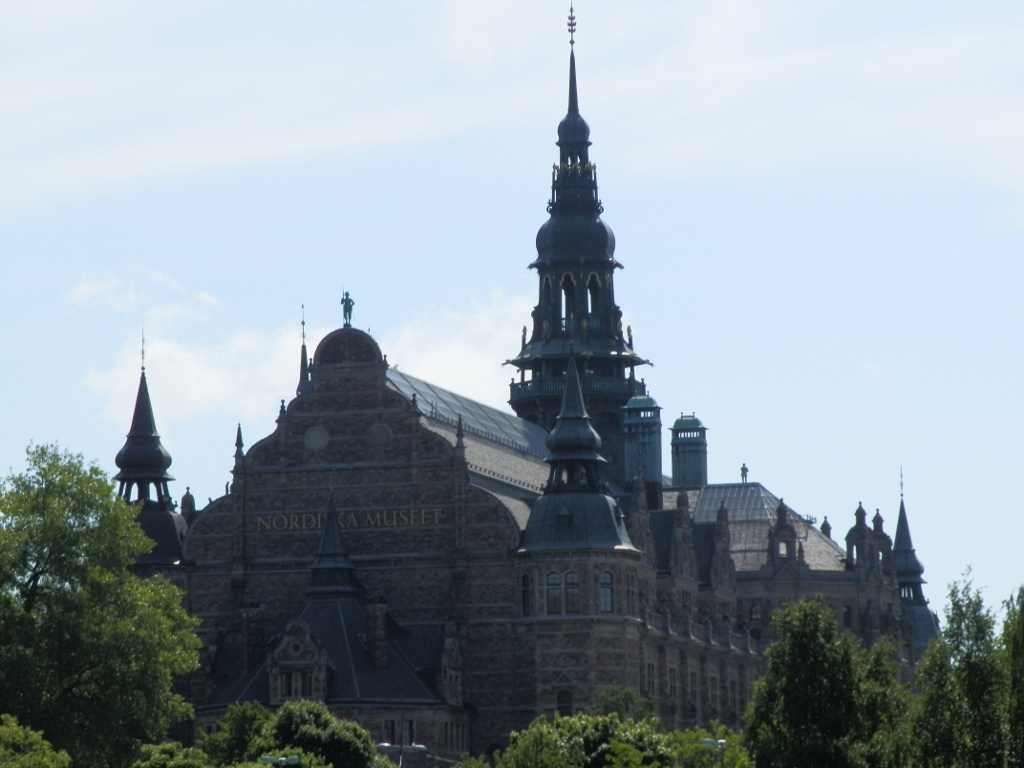 Stockholm, a detail
Here I got off the tourist bus, walked past the Nordic Museum, and took a short stroll around this part of the island of Djurgården.
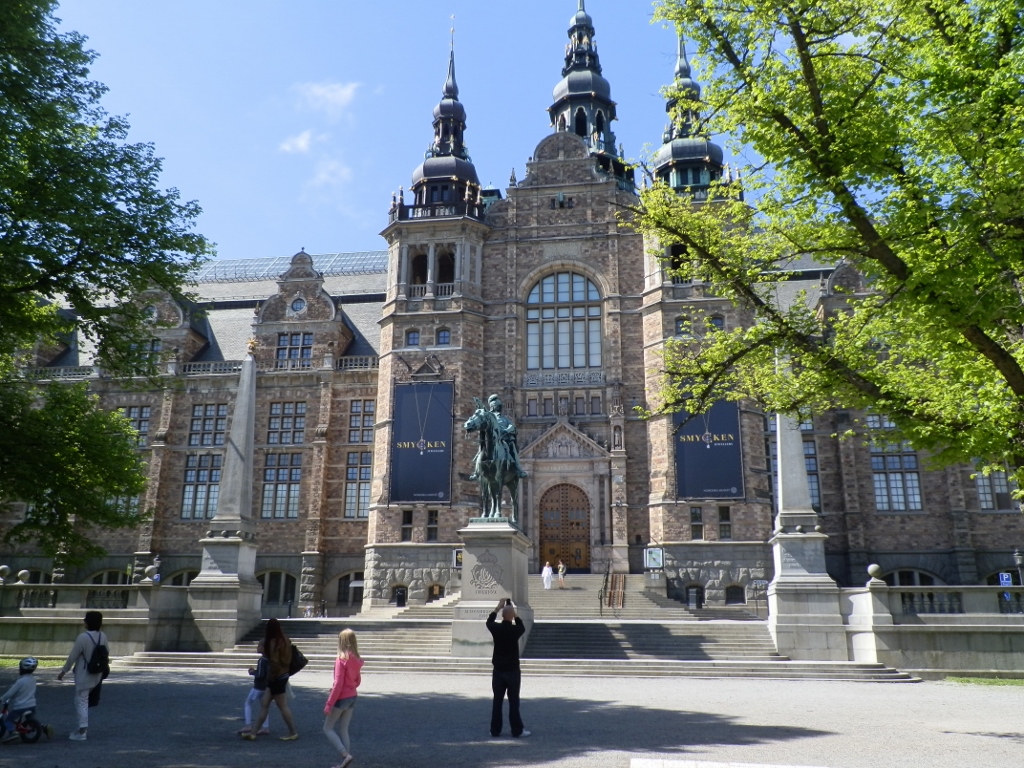 Stockholm, a detail
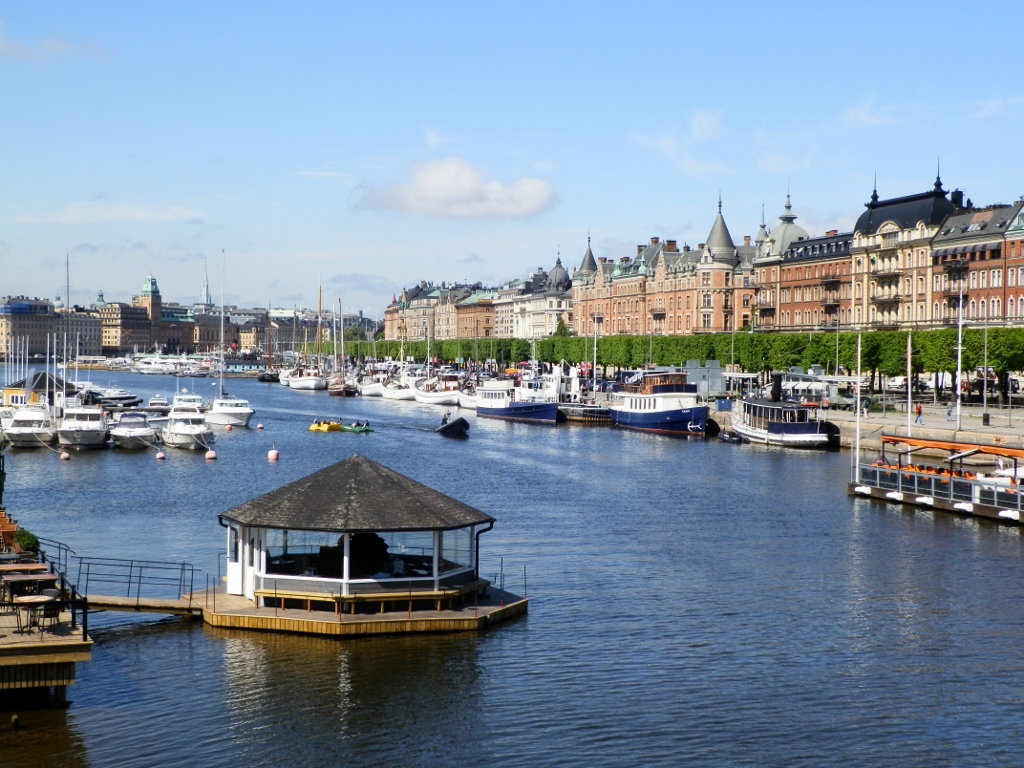 Stockholm, a detail
As interesting as the Nordic Museum sounded, I skipped it, but that day I still visited two museums. The first was the Vasa Museum, which is the most visited museum in all of Scandinavia.
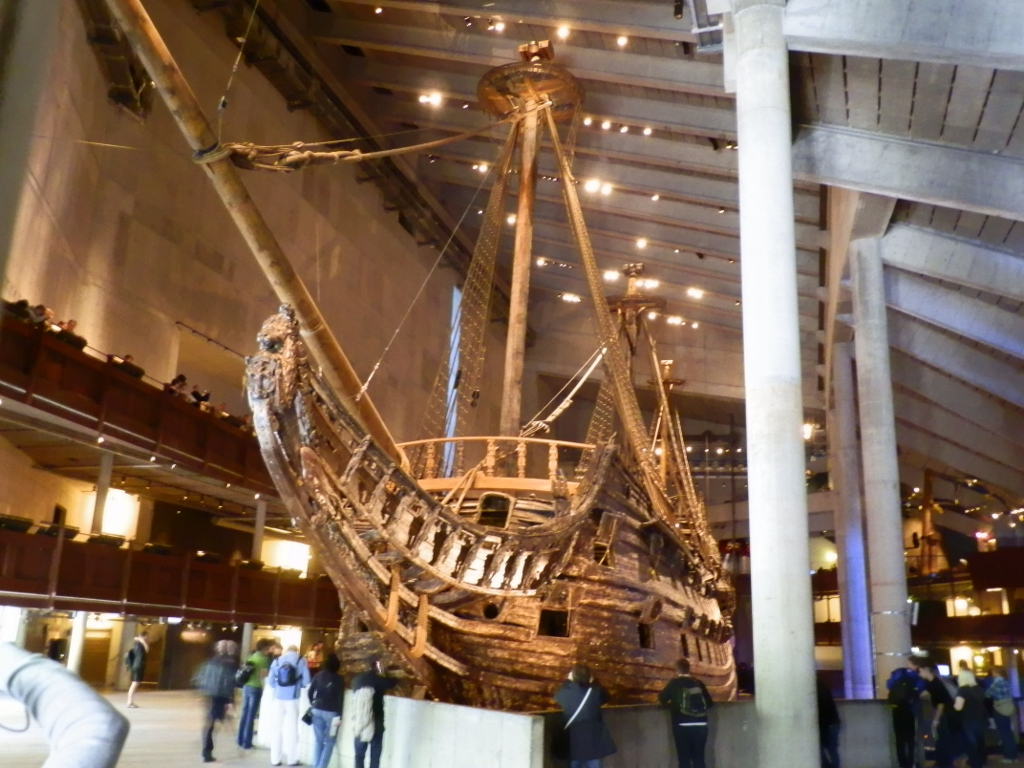
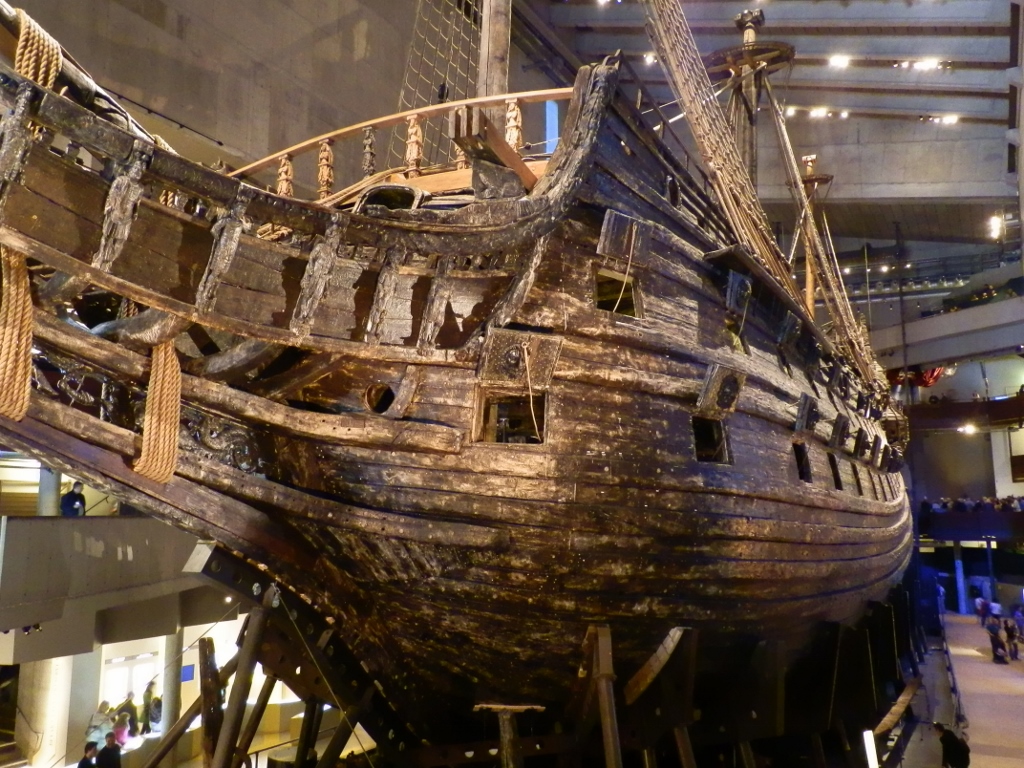
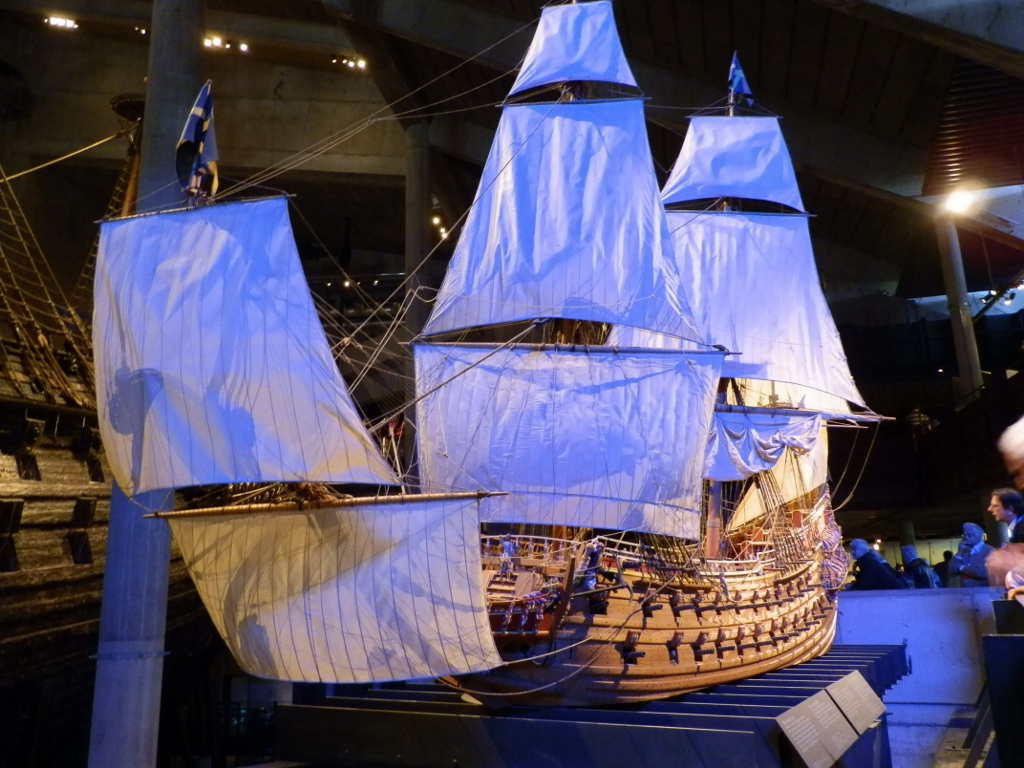
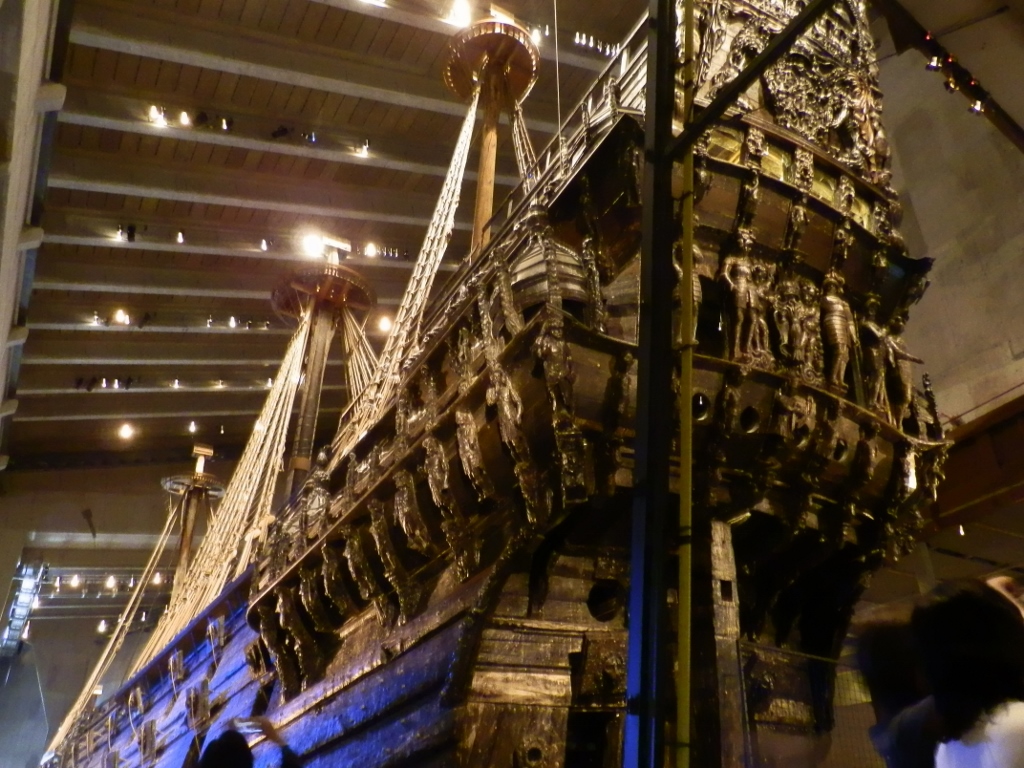
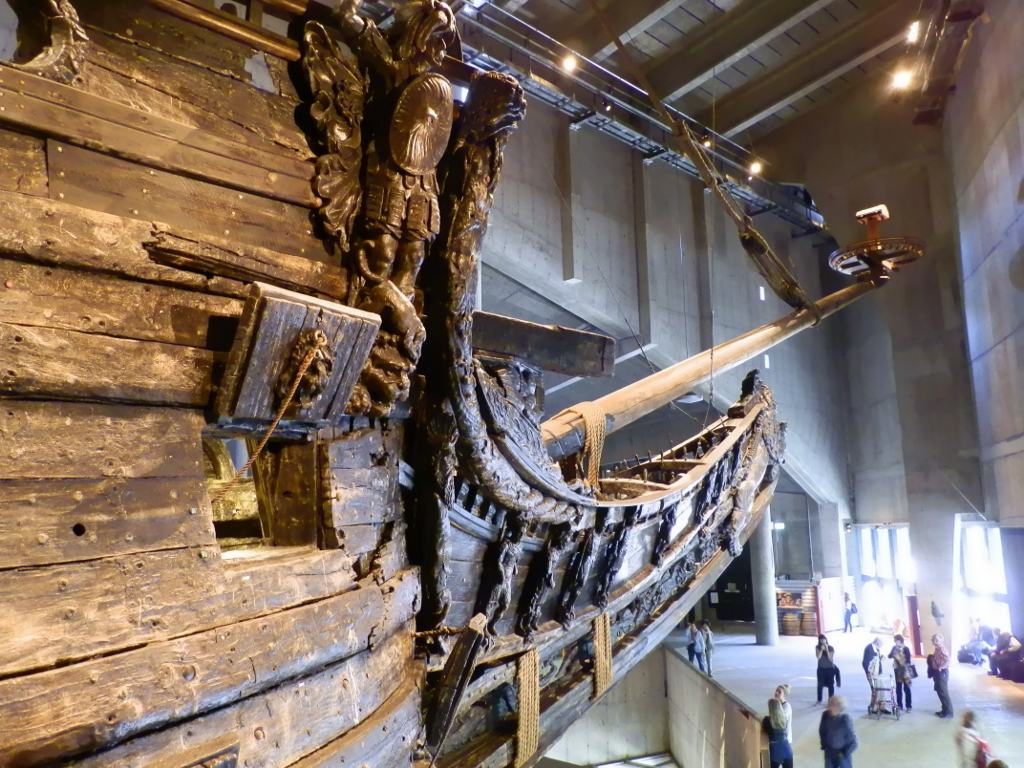
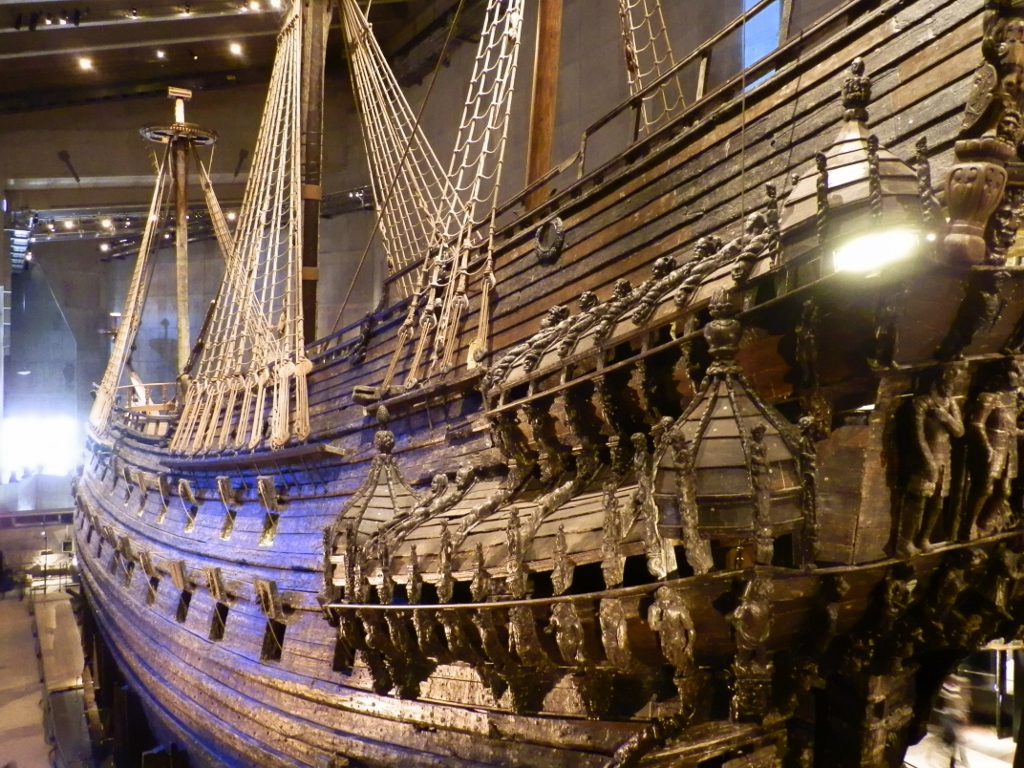
The Vasa Museum is dedicated to the warship “Vasa” that sank on its maiden voyage in 1628. In fact, it sank just 20 minutes after setting sail.
The reason for this was that the ship was structurally unstable: it had too many cannons and decorations on the upper decks, a too narrow hull and too little ballast in the lower part. When it set sail, a strong gust of wind tilted it, water entered through the open gun ports and that was it.
What is especially interesting is that the ship sank into thick mud at the bottom of Stockholm harbour. That mud had little oxygen and acted as a natural protective layer, preventing the wood from decaying and blocking organisms that would normally destroy it. In addition, the Baltic Sea has low salinity and almost no shipworms (Teredo navalis) that normally destroy wood.
Thus, thanks to these “fortunate circumstances” of nearly ideal natural conditions, the ship was literally preserved for more than 300 years.
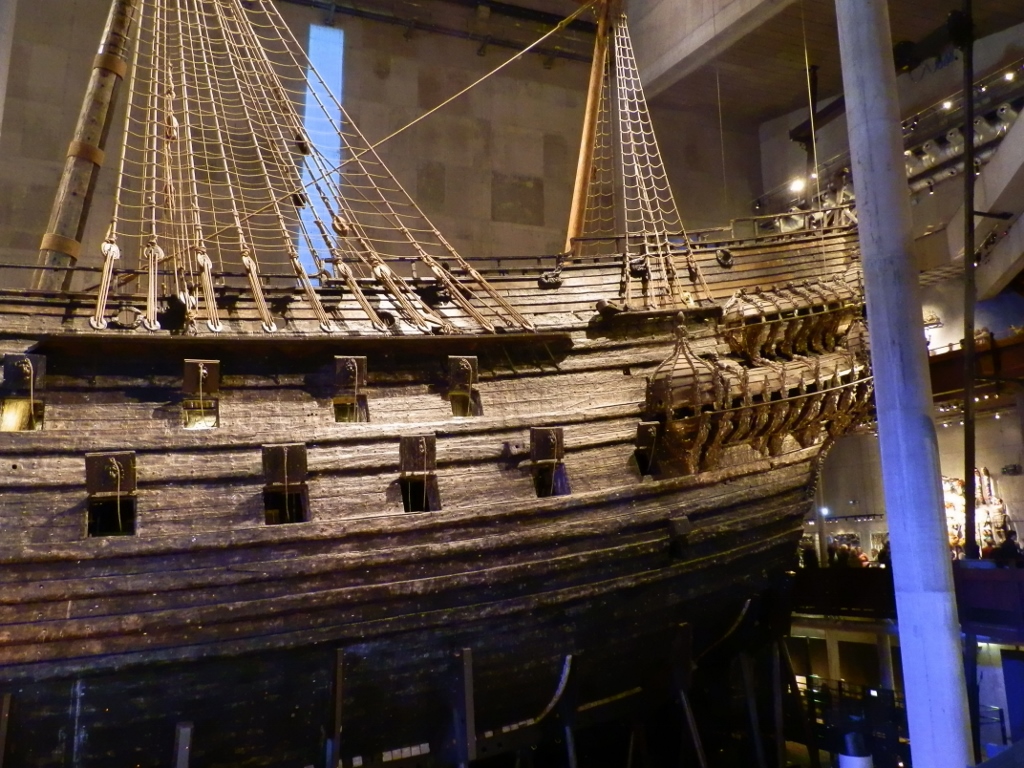
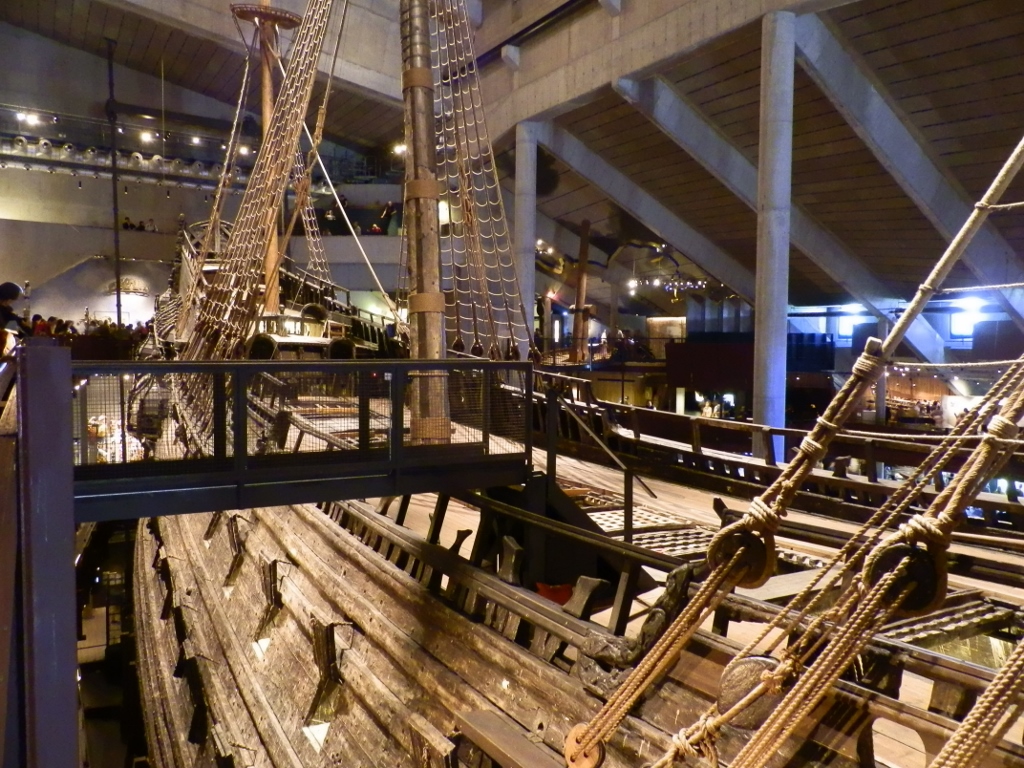
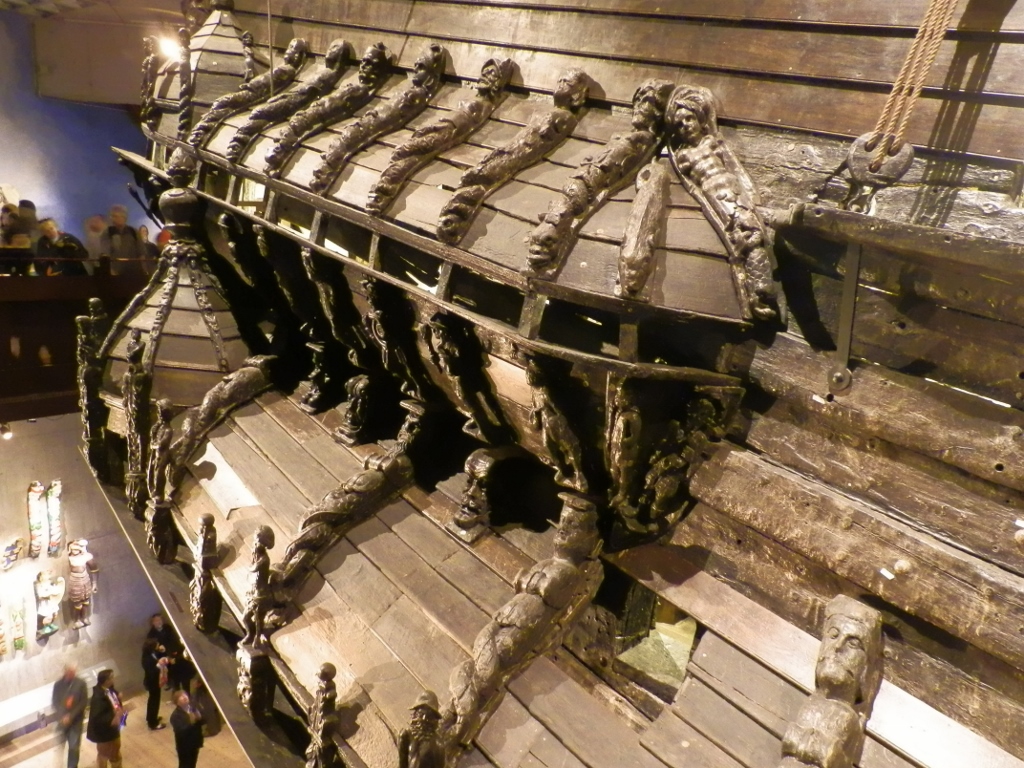
The ship was raised from the sea in 1961 and today is the only almost fully preserved 17th-century ship in the world. After being raised, the Vasa was carefully treated for decades with a substance that replaced the water in the wood and prevented its decay. Thanks to this, the ship is today preserved in exceptionally good condition and represents a unique historical artefact.
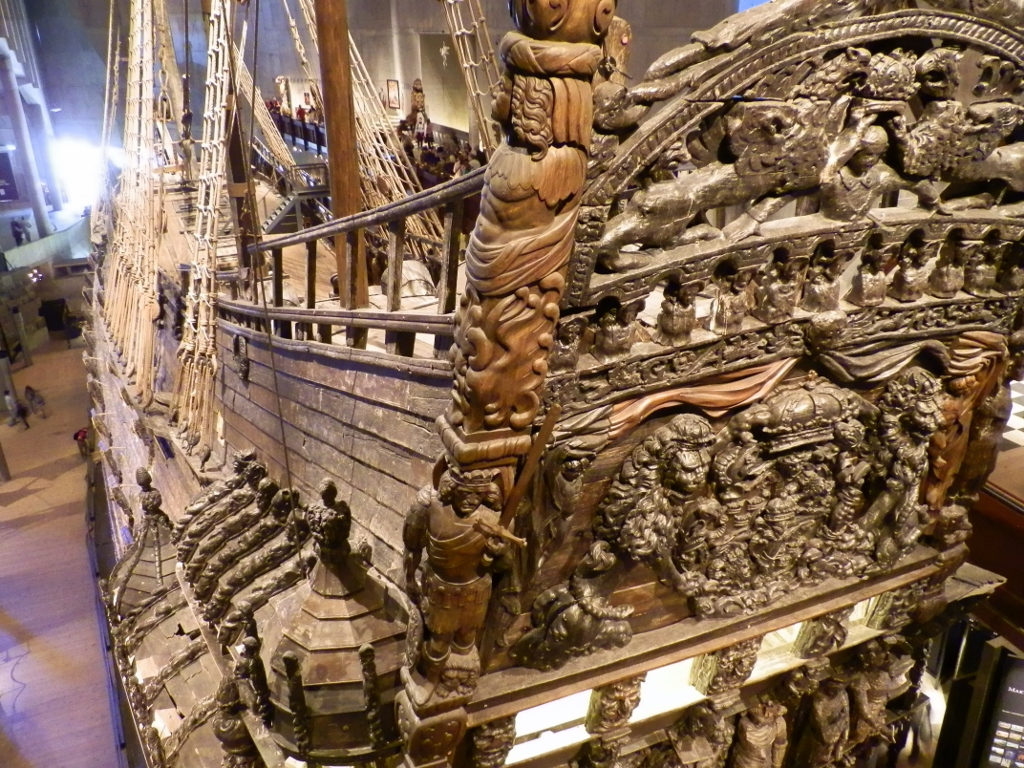
Finally, the Vasa Museum building was designed according to the size and shape of the ship itself – the dimensions, height and layout of the museum are adapted to the size and shape of the Vasa, not the other way around. This allows visitors to view the ship from multiple levels, or galleries, from the keel to the decks, and from stern to bow.
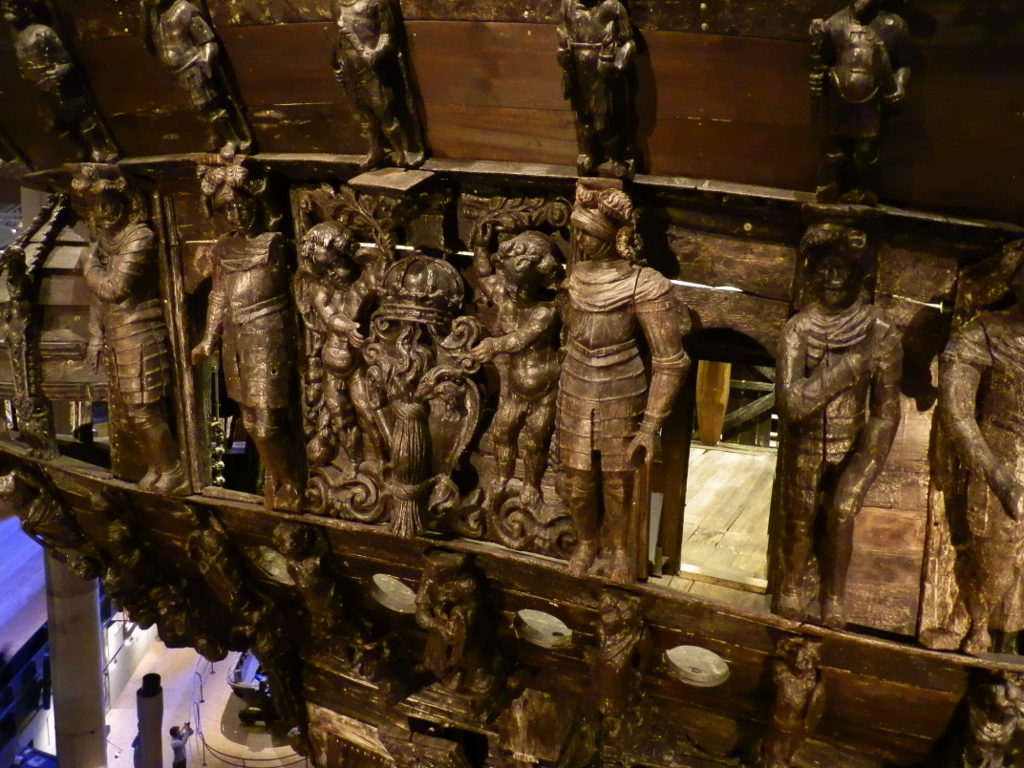
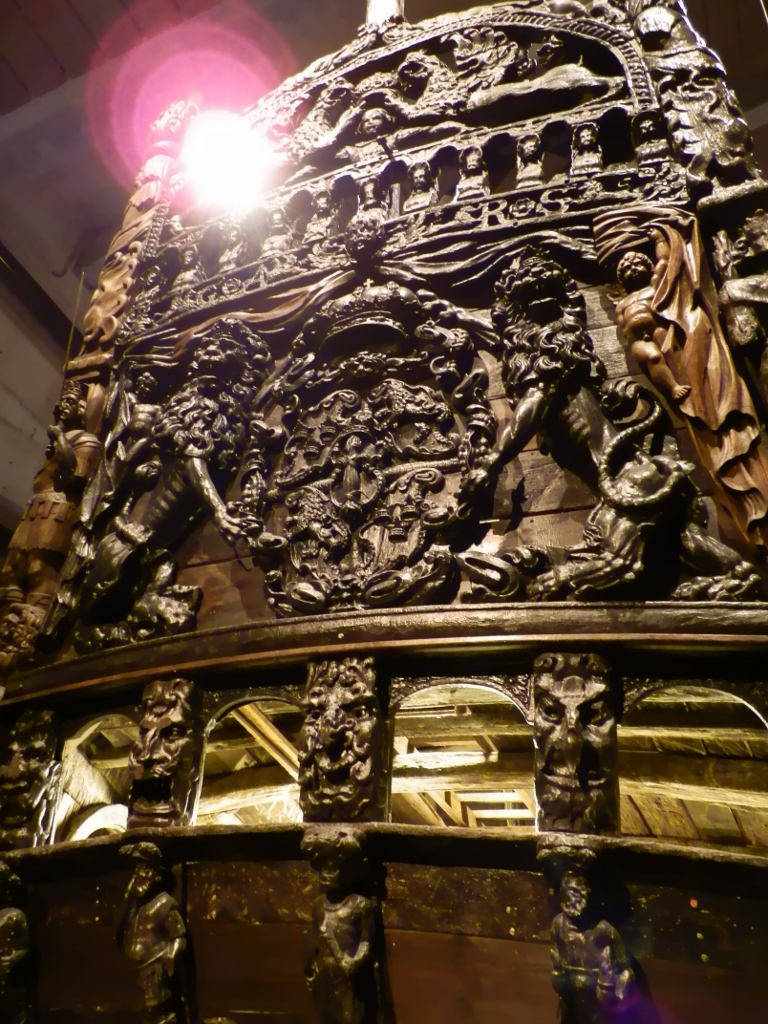
Visitors here can see the ship’s impressive construction, richly decorated with hundreds of wooden sculptures. The exhibitions explain how the ship was built, why it sank and how it was later salvaged.
 The Vasa Museum, a detail
 The Vasa Museum, a detail
 The Vasa Museum, a detail
 The Vasa Museum, a detail
 The Vasa Museum, a detail
 The Vasa Museum, a detail
 The Vasa Museum, a detail
 The Vasa Museum, a detail
 The Vasa Museum, a detail
 The Vasa Museum, a detail
 The Vasa Museum, a detail
 The Vasa Museum, a detail
 The Vasa Museum, a detail
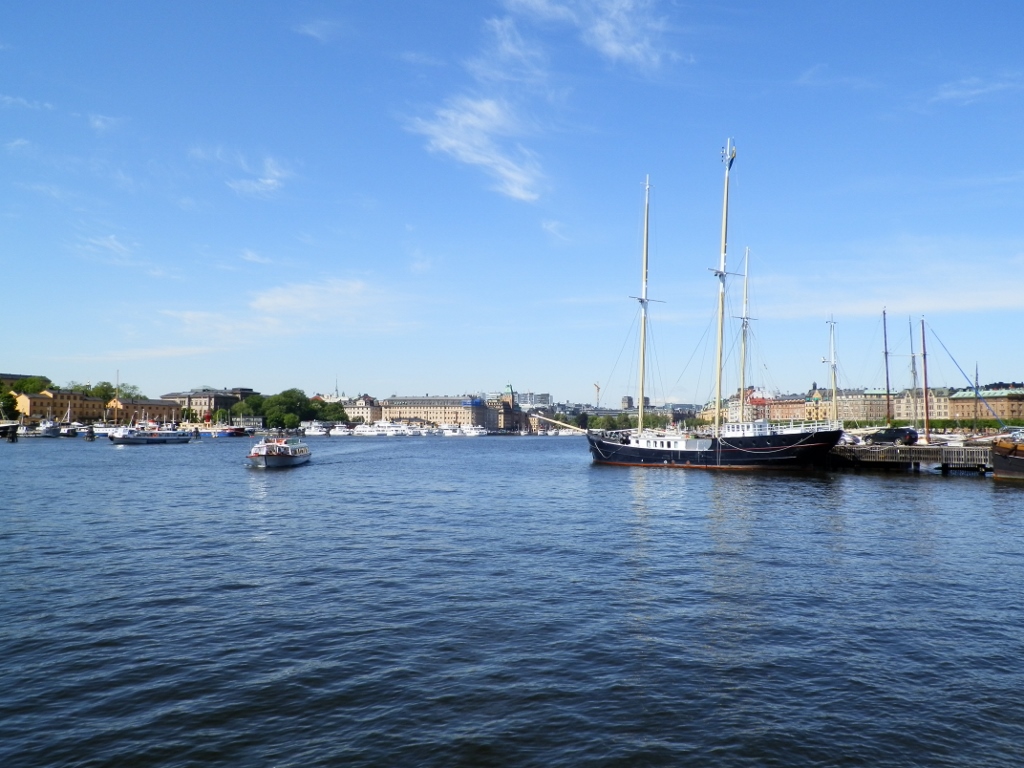
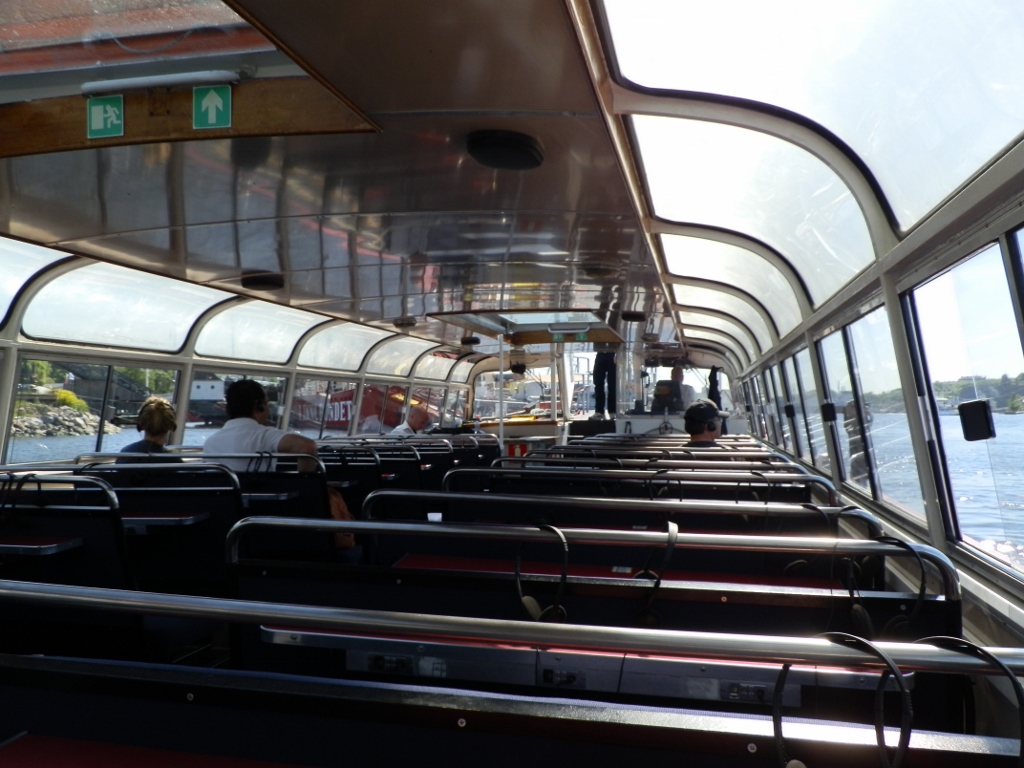
After visiting the Vasa Museum, I went outside into the sunshine and then headed to the place where the tourist boats depart. I decided that on this day I would be a proper tourist and use various ways to explore the city. Now I set out to see Stockholm from the water.
 Stockholm, a detail
 Stockholm, a detail
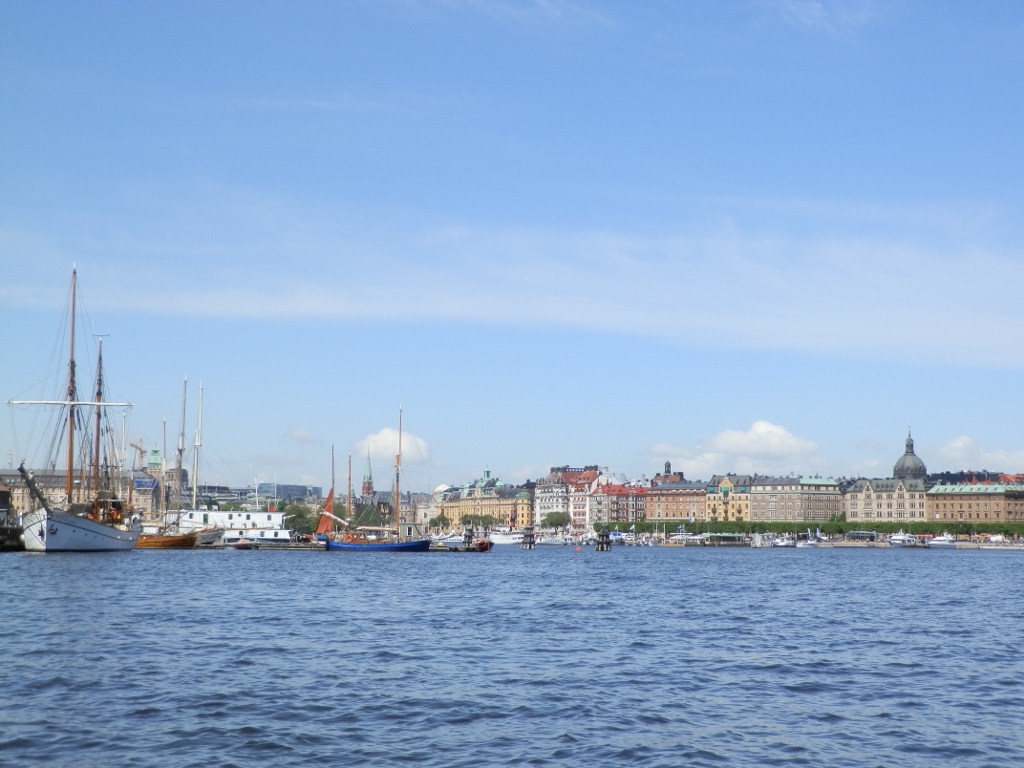
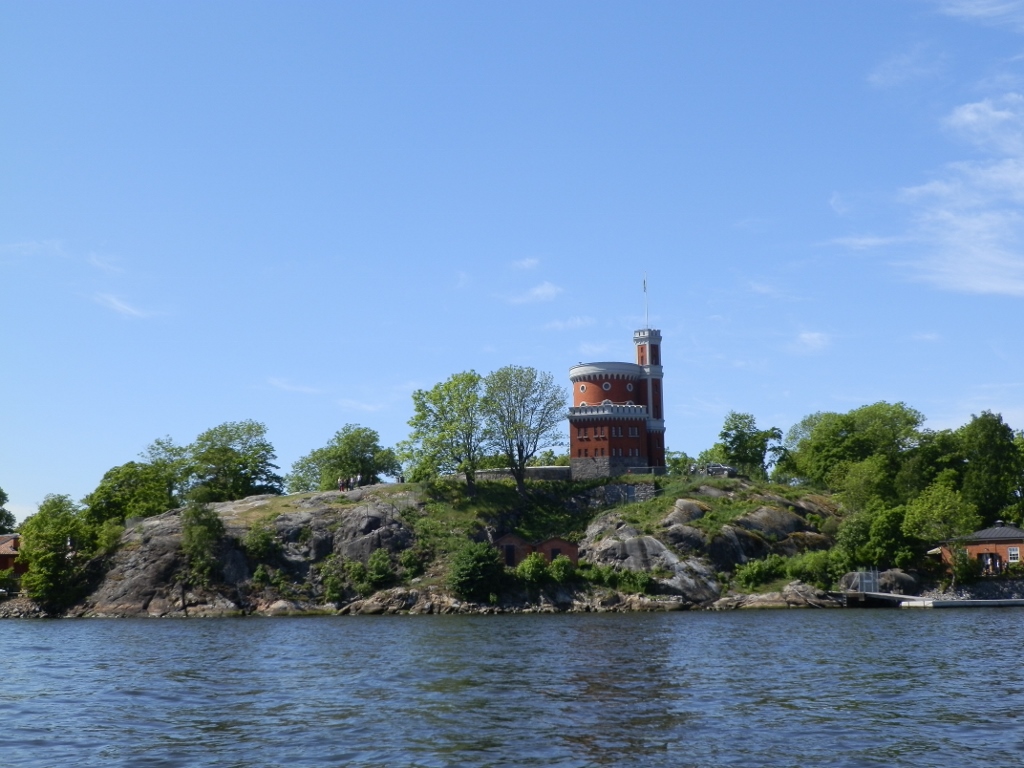
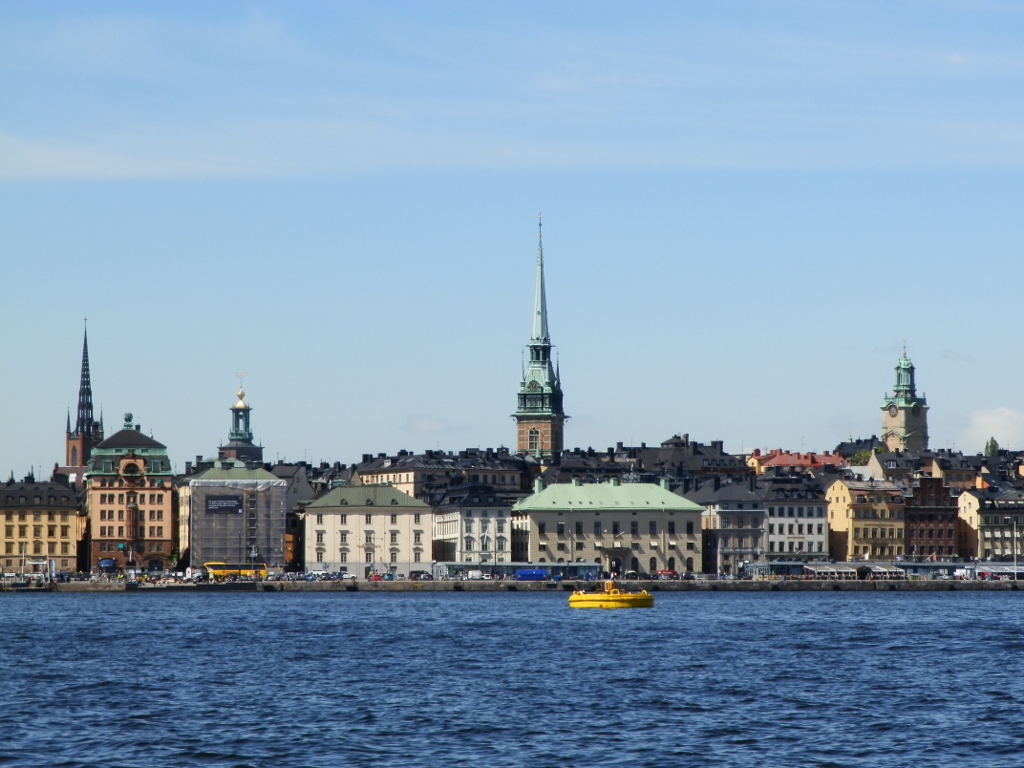
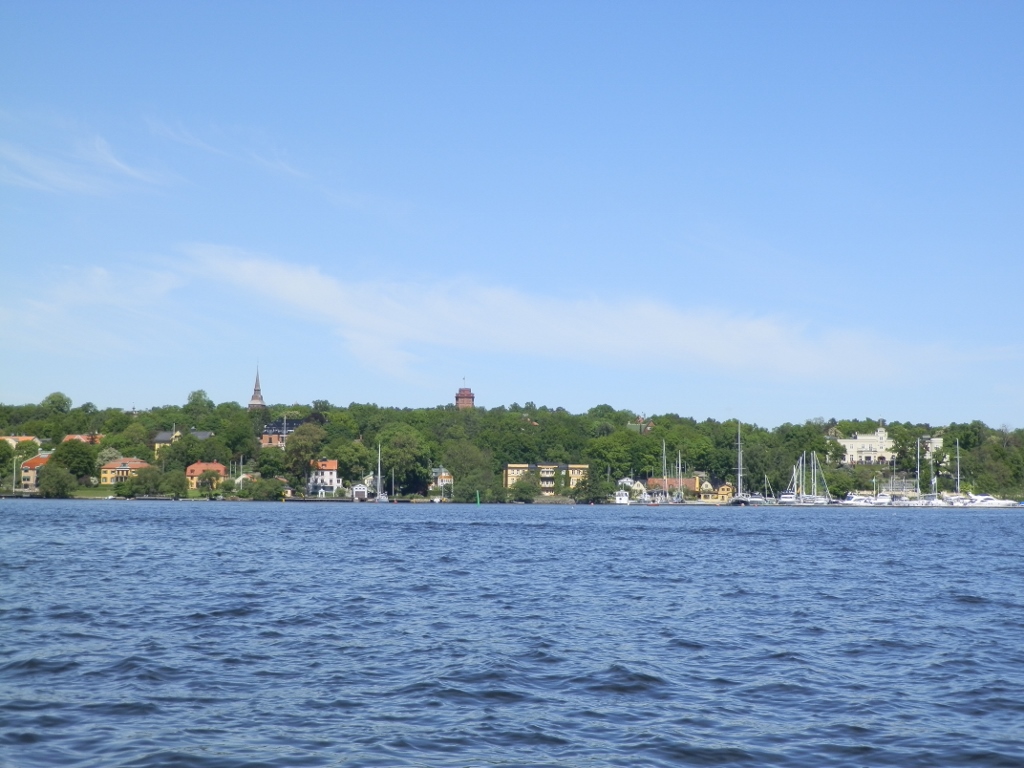
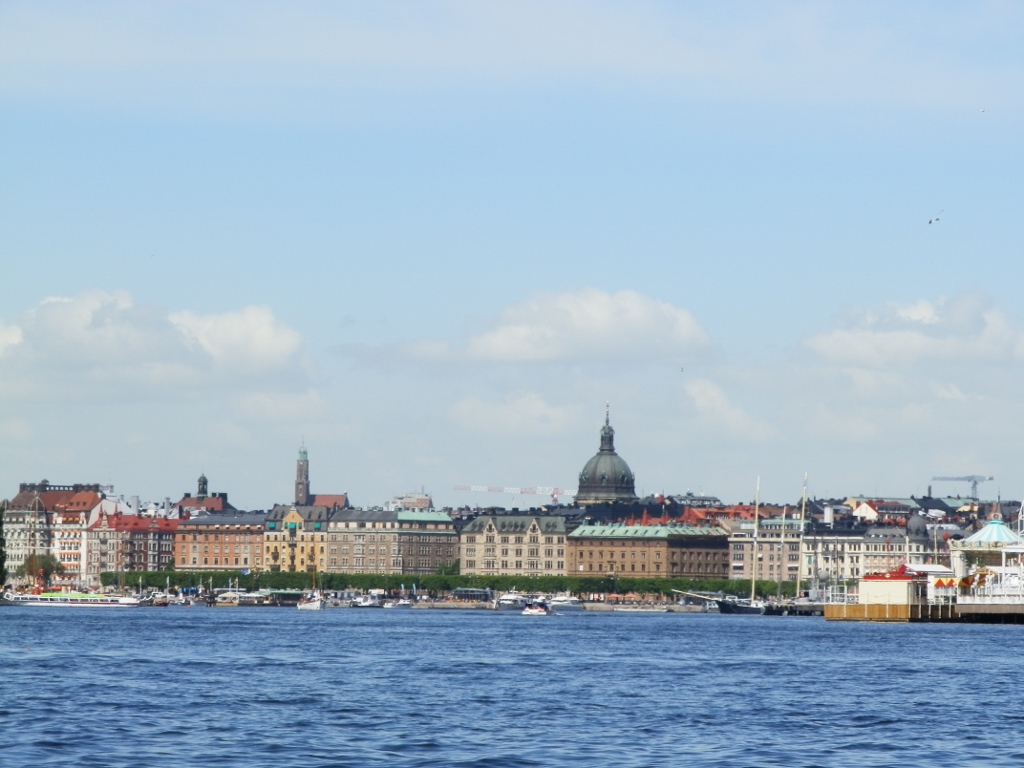
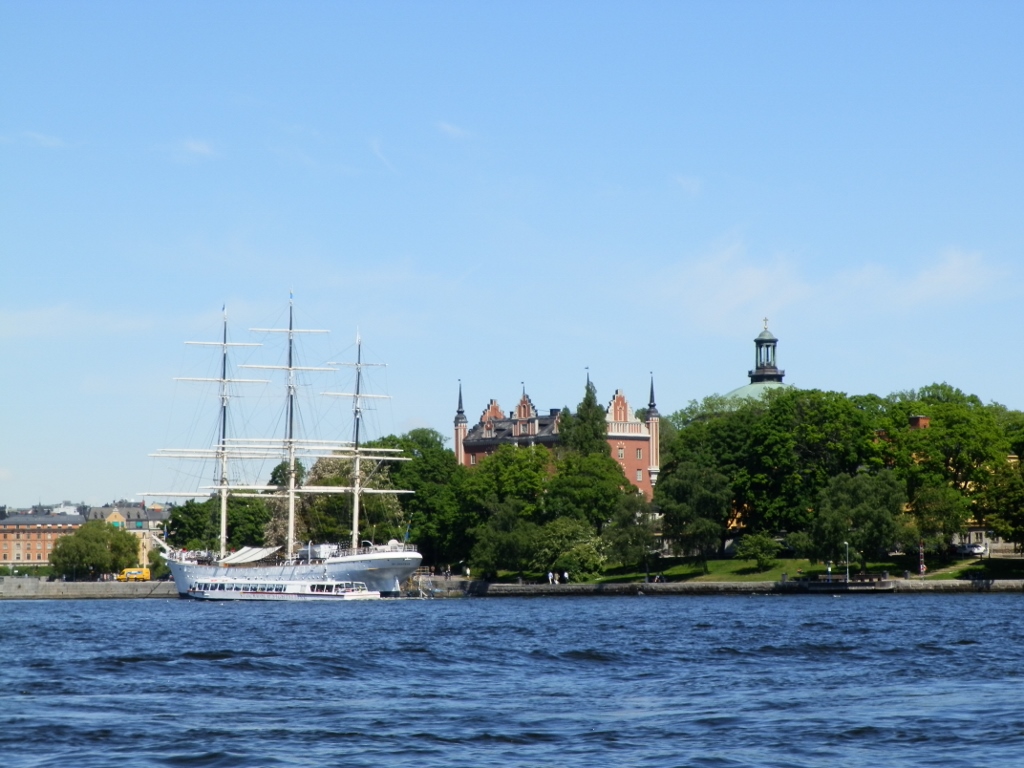
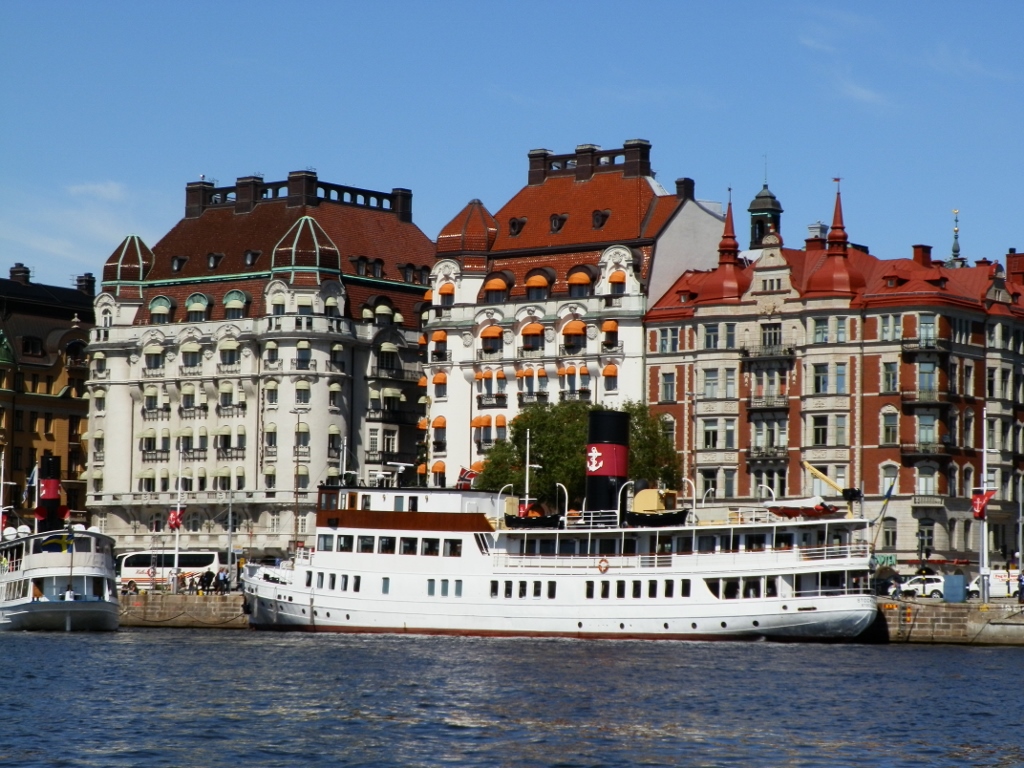
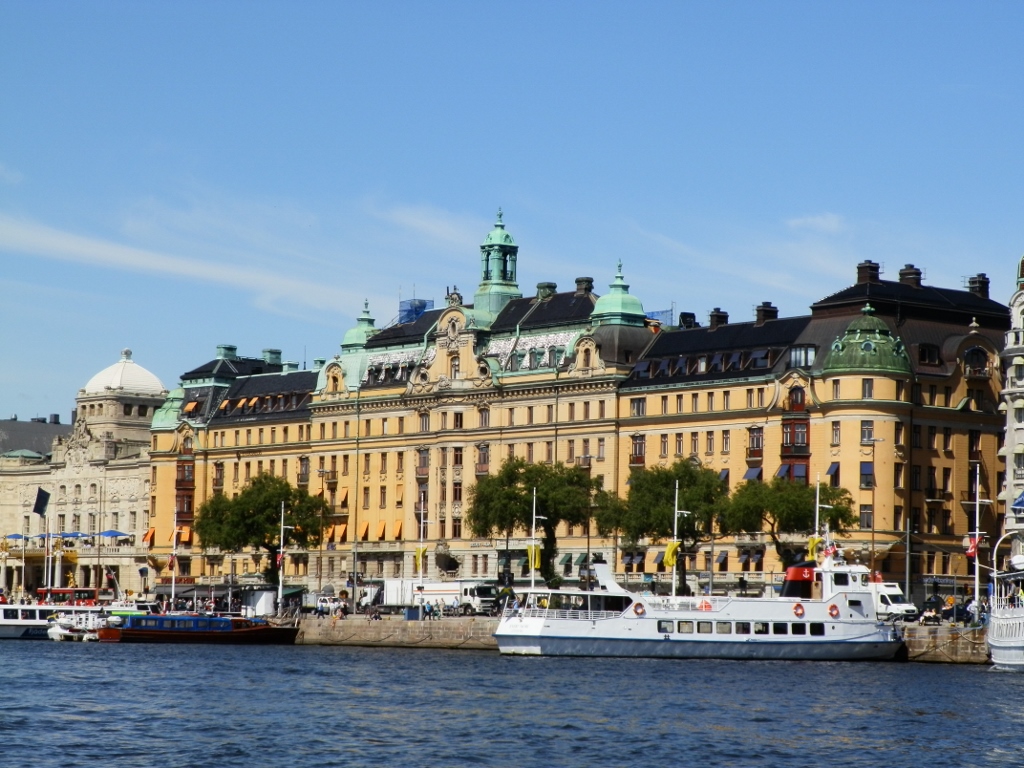
I have to say that I really enjoyed this experience. As I’ve mentioned several times in these stories of mine, I love being on the water and this tour was a truly wonderful experience, especially since the weather was sunny and there was no wind or waves. I had already seen some parts of Stockholm, but from a different perspective, while others were completely new to me.
 Stockholm, a detail
 Stockholm, a detail
 Stockholm, a detail
 Stockholm, a detail
 Stockholm, a detail
 Stockholm, a detail
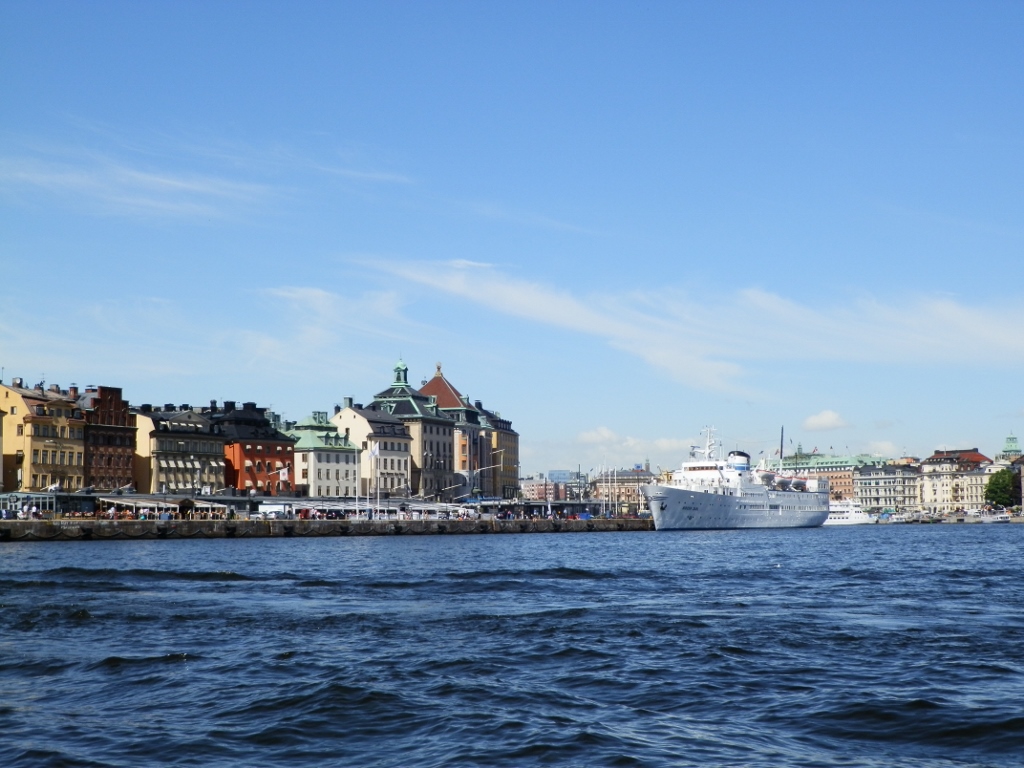 Stockholm, a detail
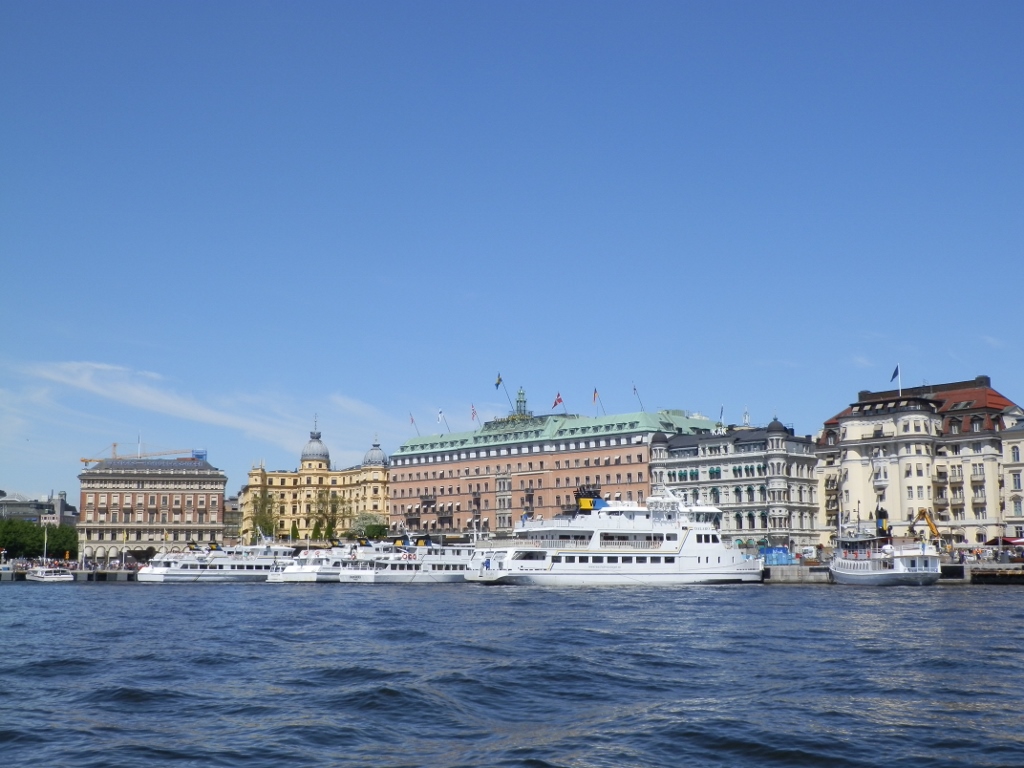 Stockholm, a detail
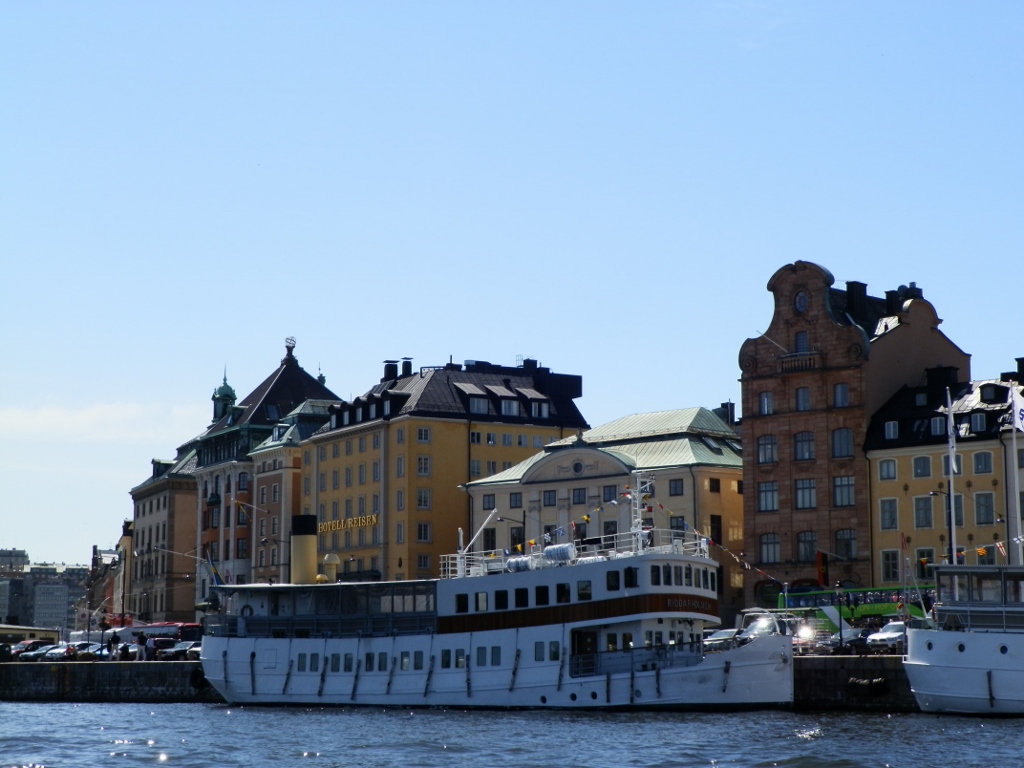 Stockholm, a detail
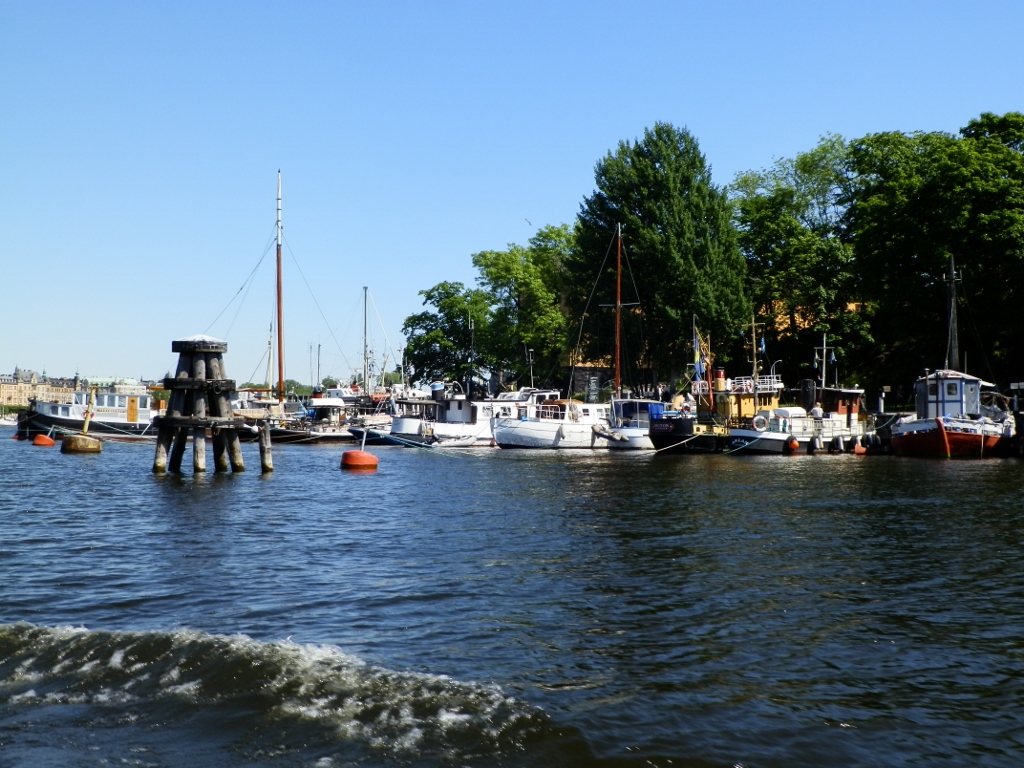 Stockholm, a detail
Towards the end of the tour, I also passed near the Nordic Museum and the Vasa Museum, but there were other beautiful parts of the city that could be seen from the tour boat as well.
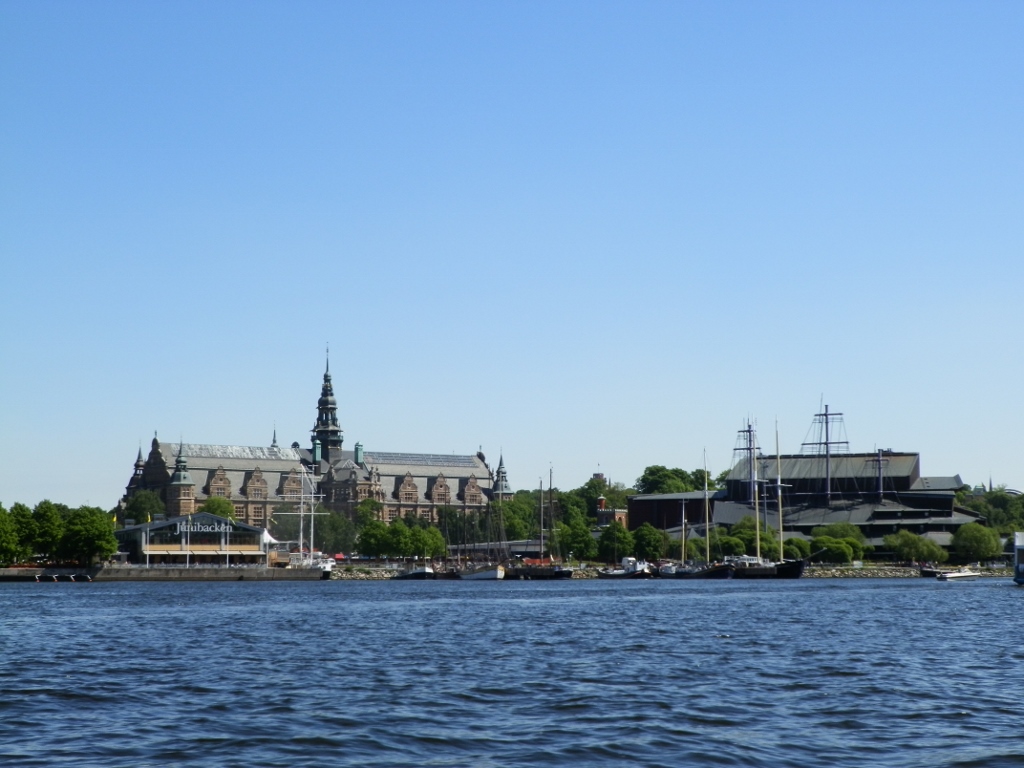 Stockholm, a detail
 Stockholm, a detail
 Stockholm, a detail
I got off the boat near the amusement park, but the park itself didn’t really interest me; I just wanted that pier because the ABBA Museum was nearby and I was determined to visit it.
You see, when I was young, I adored ABBA and their songs, although at the time it wasn’t very popular among most of my peers. Rock music seemed to be more in vogue, but my childhood friend Sneža and I loved ABBA’s music and really enjoyed singing their songs. These were the first English-language songs where I tried to get the lyrics, though I have to admit I wasn’t very successful. On the other hand, some of their records that I bought had the lyrics printed, so Sneža and I could sing to our hearts’ content and enjoy ourselves.
Later, as a middle-aged woman, I realised that some of the newer, younger generations were intensely enjoying ABBA’s music and it was being played frequently at parties. That struck me as both strange and amusing – proof of how times can change.
Then, just a couple of months before my trip to Stockholm, I heard that the ABBA Museum had opened. I couldn’t possibly miss it.
While waiting to buy tickets, I was shocked to see that they didn’t accept cash, that is, no physical money. This was part of their “cashless” policy, because, as it said, they “believe in a cashless future”! What a horror.
Fortunately, I had my cards with me, but I still think this is a terrible approach to life and reality, and the ABBA Museum in Stockholm was the first place where I encountered this trend.
First of all, what does it matter what they “believe”? That kind of approach sounds like some kind of cult. Does it mean they’re forcing me to believe the same thing they believe? Cash is money and perfectly legal at that.
On the other hand, even economically it would have suited me better to pay in cash. You see, back in Belgrade, where I earn in dinars, I had bought Swedish kronas, while my card is linked to a foreign currency account in euros. So, in order to pay for the ticket, two formal exchange transactions had to take place – my first (buying euros with dinars, and then converting euros into Swedish kronas when buying the ticket).
Of course, I fully understand that this is a private museum, so they can impose their beliefs and charge however and whatever they want. It’s up to me to accept it or not. And I have to say, if it had been any other museum, I probably would have just turned around and left. But this was the ABBA Museum.
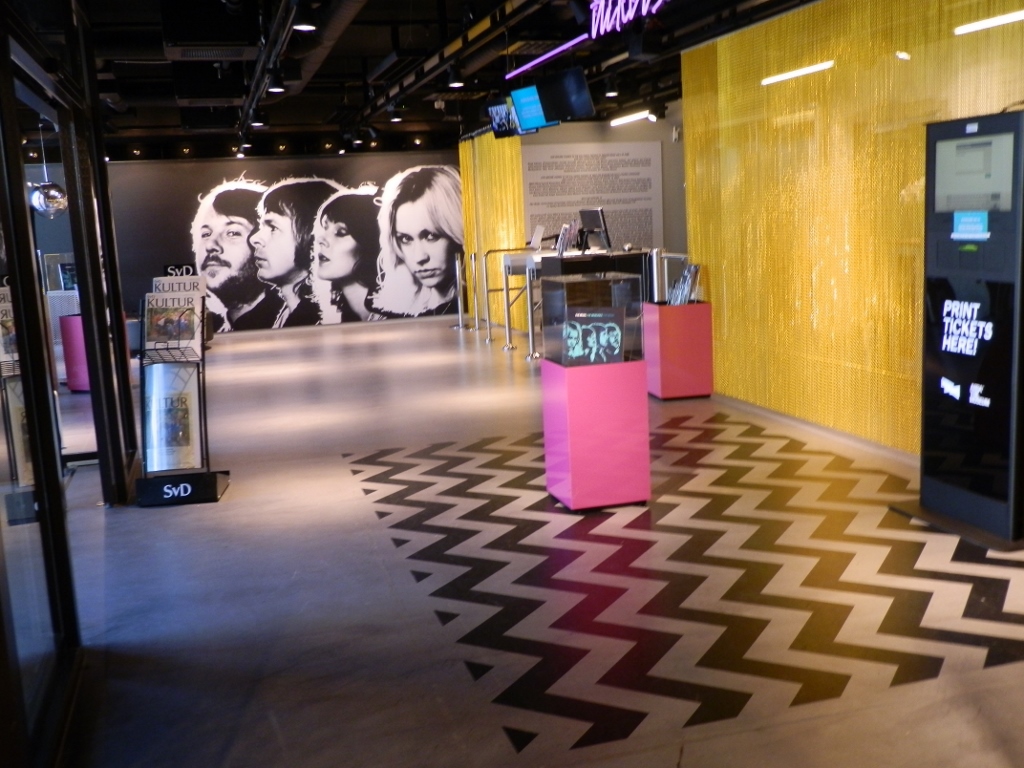 ABBA The Museum, a detail
To start with, I bought a mug as a souvenir for my friend Sneža. It wasn’t particularly original, but that was the only thing that made any sense to me. I didn’t like the rest; there were just heaps of various little trinkets.
So, a bit annoyed, I entered the museum without really knowing what to expect. In the end, my impression was that it’s mostly a place to take people’s money, as there isn’t much actually to showcase. But for those who love their songs, especially if they grew up with their music, a visit to the museum can still be a nice experience.
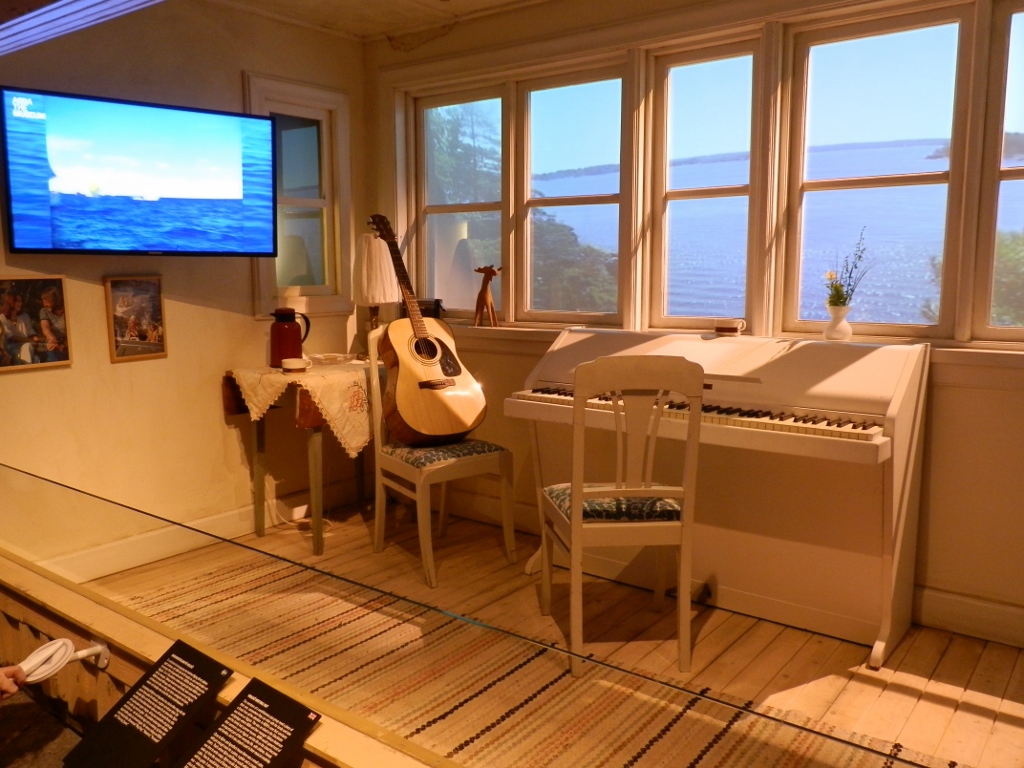 ABBA The Museum, a detail
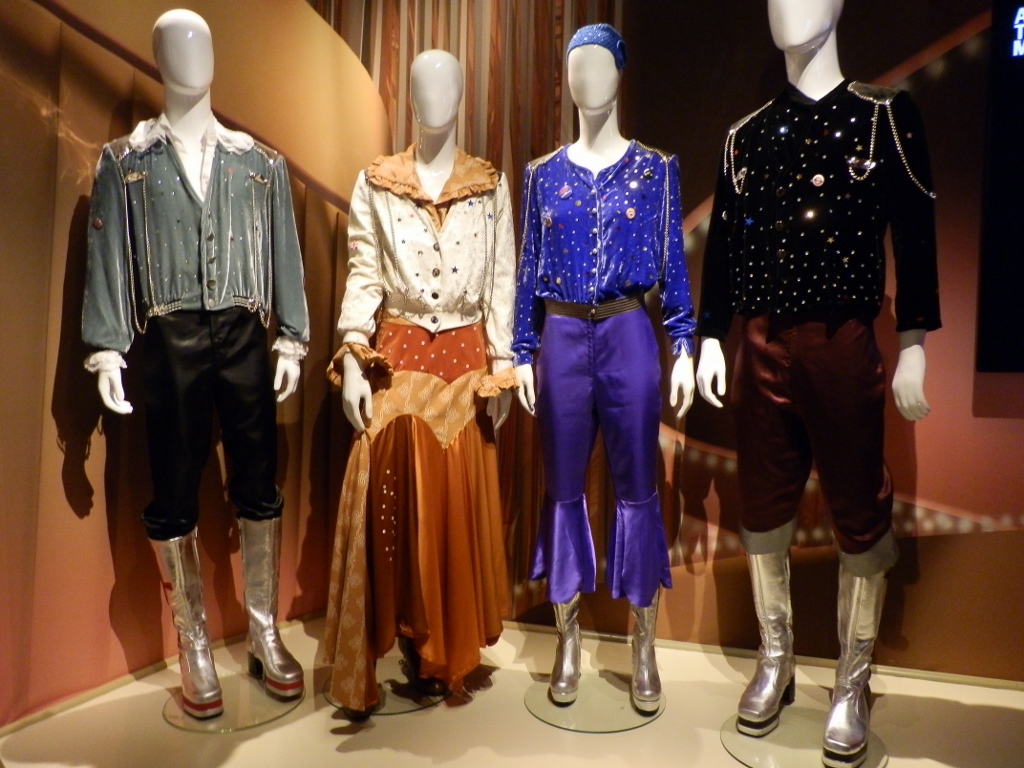 ABBA The Museum, a detail
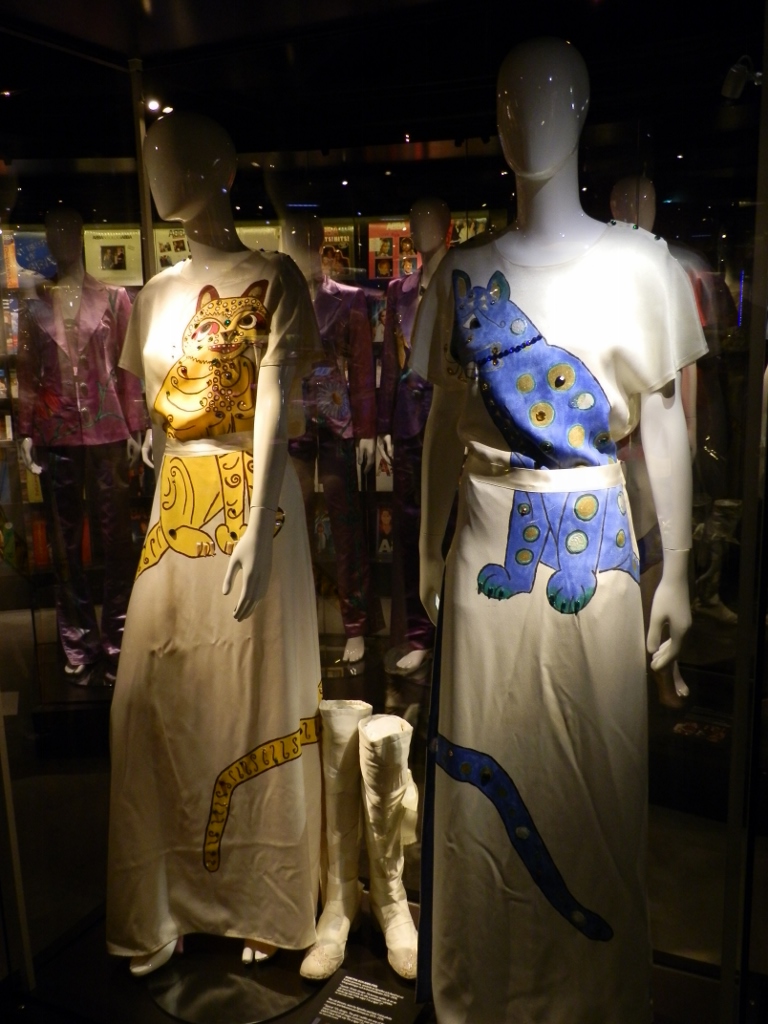 ABBA The Museum, a detail
On the other hand, the museum has some interesting technological features. For example, I “recorded” the song Mama Mia in a “studio” along with the backing track, which was supposed to be downloadable from the internet when I got home, but I must have made some mistake, because the recording never appeared.
I also got to be “live” at a concert, singing along with their holographic performances! I had heard about this before the trip and had thought about it back in Belgrade and I’m glad I actually did it and didn’t get embarrassed or back out at the last moment. As a memento, I even have a photo, taken by the staff member running the activity who kindly used my camera.
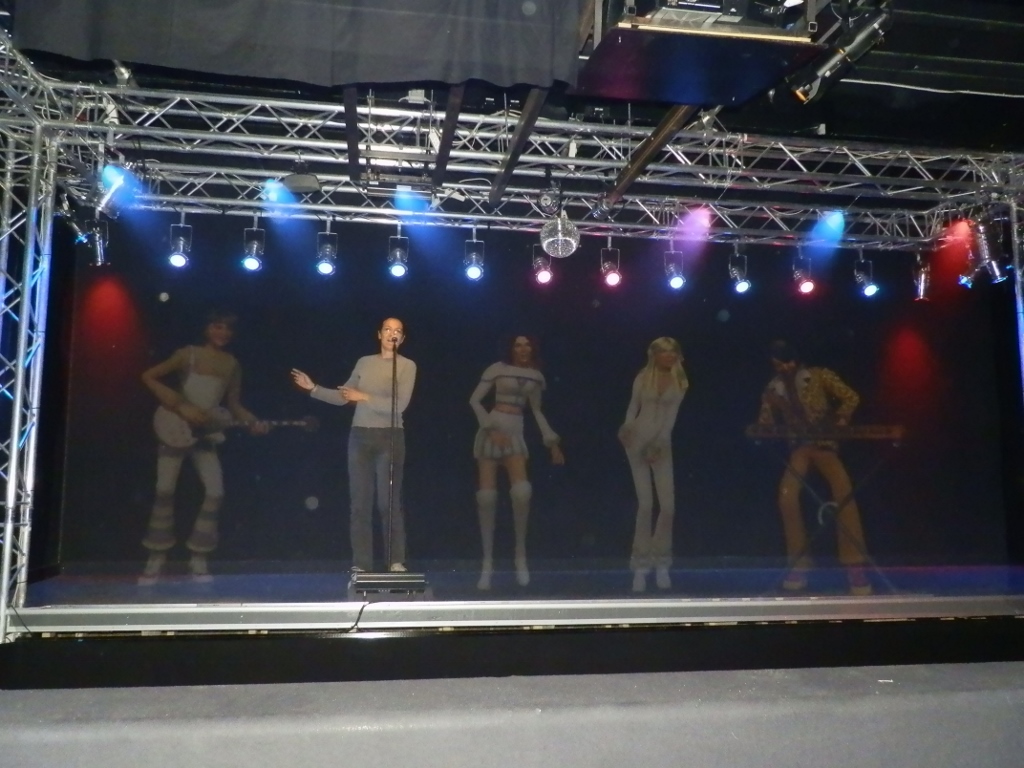 At the ABBA’s Museum
And I have to say that my performance went well and was noticed – I even received applause from the other visitors at the end.
After all of this, I left the ABBA Museum feeling content and then went to the tourist bus station, as my plan was to continue exploring the city at a more relaxed pace. Two museums in one day were more than enough, if you ask me.